

New DFM Simulator: Fiber Laser + CNC Bending vs. Progressive Die Stamping
Calculate the exact break-even annual volume between fiber laser cutting + CNC bending and progressive die or Bihler stamping by alloy, thickness, and bends.
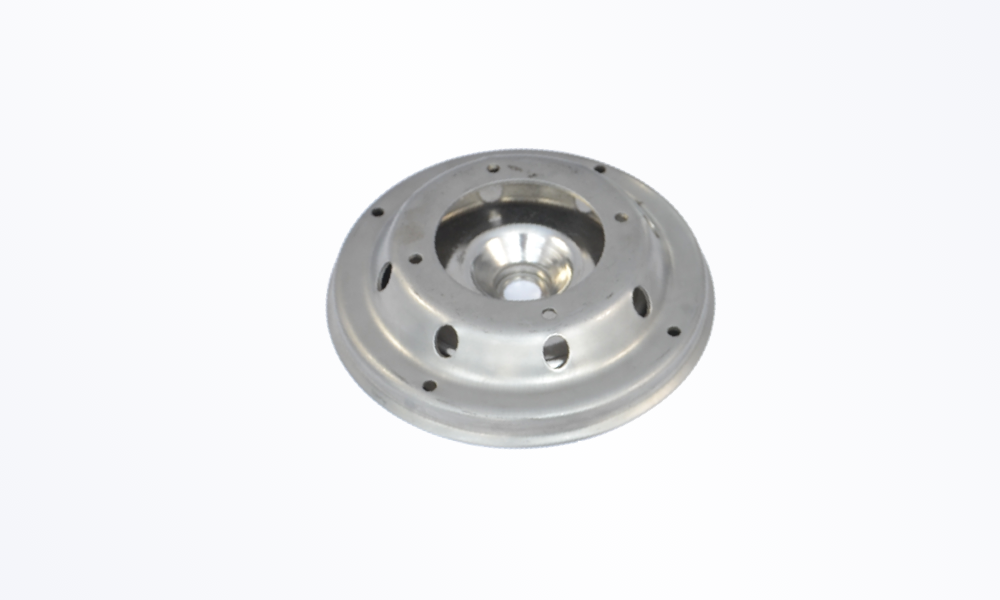
Deciding between fiber laser cutting + CNC press-brake bending (zero hard tooling, fast launch) and progressive die or Bihler stamping (low unit cost at scale) is one of the most common trade-offs in sheet metal sourcing. Filame Group has launched the Laser vs. Progressive Die Break-Even Simulator to give buyers and mechanical engineers an objective, data-driven answer.
Model your DFM crossover point in seconds
The simulator models structural cost physics—tooling NRE amortization versus cycle time—based on your part’s actual parameters:
- Full geometry & material inputs: Annual volume, length, width, thickness, material family (mild steel DC01/S355, stainless 304/316L, spring strip C75S/1.4310, aluminium 5754/6082, copper/brass/bronze), number of bends/forming operations, and tolerance class.
- Clear process recommendation: Recommends Fiber Laser + CNC Press Brake, a transition/modular tooling zone, or Progressive Die (10T–320T) / Bihler production.
- Interactive cost crossover curve: Plots total annual cost index across volumes so you can see where your demand sits relative to break-even.
- Lead-time comparison: Contrasts typical first-article delivery (1–2 weeks for laser without hard tooling vs. 4–8 weeks for in-house progressive die build).
Both manufacturing routes under one roof
Because Filame runs fiber laser cutting, CNC bending, and high-speed automatic stamping presses in-house, you can launch immediately with laser prototyping and transition seamlessly to progressive dies as demand grows.
👉 Try the Laser vs. Progressive Die Simulator or request a dual comparative quote.