Galvanic Couples & Metal Corrosion Chart
Explore the 26-metal galvanic compatibility chart (ASTM G82), calculate galvanic corrosion risks, and discover Filame's manufacturing expertise in springs, stampings, and multi-metal assemblies.
Galvanic corrosion (also termed bimetallic corrosion) is defined as the accelerated degradation resulting from physical contact between two dissimilar metals or alloys in the presence of an electrically conductive electrolyte.
In any conductive solution, an electrochemical galvanic series ranks metals according to their dissolution potential. When coupled directly, an electric current flows between them, accelerating the dissolution of the less noble alloy (the anode) while cathodically protecting the more noble metal (the cathode).
The potential differential (|ΔV|) indicates the direction of attack, but not its absolute magnitude. Electrolyte conductivity, operating temperature, assembly geometry, and particularly the relative surface area ratio between components are decisive factors.
Essential Conditions for Galvanic Corrosion
For galvanic corrosion to occur, three cumulative conditions must be met:
- Dissimilar metals: An electrochemical potential differential creating an electromotive force.
- Conductive electrolyte: Moisture, salt fog, condensation, or operating fluids acting as an ionic path.
- Electrical continuity: Direct metallic contact allowing electronic charge transfer.
The Area Effect: Small Anode vs Large Cathode
For a given galvanic current between two metals, current density and dissolution rate on the less noble component increase dramatically when that anode has a small surface area:
- Unfavorable case: A small anode (screw, rivet, spring) attached to a large cathode (stainless steel or copper plate) undergoes severe, accelerated perforation.
- Favorable case: A large anode surrounding a small cathode (e.g., zinc-plated sheet with small stainless fastener) distributes dissolution across a broad area, remaining virtually harmless.
Galvanic Couples Matrix Table (26 Metals & Alloys)
Electrochemical potential differences calculated in millivolts (|ΔV|) in an electrolyte of water + 2% NaCl vs Saturated Calomel Electrode (SCE). Click any cell to sync the CAD calculator and size your components.
| Metal B (Row) ↓ Metal A (Column) → | Platinum | Gold | Z6CN18-09 Passivated 18-10 Stainless | Silver | Mercury | N Nickel | UZ23N22 Arcap (CuNiZn) | U Pure Copper | UA10 Aluminum Bronze | UZ39Pb Free-cutting Brass | UE12 Tin Bronze | E Pure Tin | Pb Lead | AU4G Duralumin (2017A) | XC8 à 10 Mild Structural Steel | AS10G Cast Aluminum (AS10G) | A5 Pure Aluminum 99.5% | XC80 à 120 High-Carbon Spring Steel | AG4.5MC Duralinox (AlMg 5083) | Cd Cadmium Plating | Fe Pure ARMCO Iron | ASG Almasilium (6060 Al) | C Hard Chromium (active) | EZ25 Tin-Zinc Solder (75/25) | Z Zinc & Galvanized Steel | G Magnesium (AZ31) |
|---|---|---|---|---|---|---|---|---|---|---|---|---|---|---|---|---|---|---|---|---|---|---|---|---|---|---|
| Platinum | 0 | 130 | 250 | 350 | 350 | 430 | 450 | 570 | 600 | 650 | 770 | 800 | 840 | 940 | 1000 | 1065 | 1090 | 1095 | 1100 | 1100 | 1105 | 1105 | 1200 | 1360 | 1400 | 1950 |
| Gold | 130 | 0 | 120 | 220 | 220 | 300 | 320 | 440 | 470 | 520 | 640 | 670 | 710 | 810 | 870 | 935 | 960 | 965 | 970 | 970 | 975 | 975 | 1070 | 1230 | 1270 | 1820 |
| Passivated 18-10 Stainless Z6CN18-09 | 250 | 120 | 0 | 100 | 100 | 180 | 200 | 320 | 350 | 400 | 520 | 550 | 590 | 690 | 750 | 815 | 840 | 845 | 850 | 850 | 855 | 855 | 950 | 1110 | 1150 | 1700 |
| Silver | 350 | 220 | 100 | 0 | 0 | 80 | 100 | 220 | 250 | 300 | 420 | 450 | 490 | 590 | 650 | 715 | 740 | 745 | 750 | 750 | 755 | 755 | 850 | 1010 | 1050 | 1600 |
| Mercury | 350 | 220 | 100 | 0 | 0 | 80 | 100 | 220 | 250 | 300 | 420 | 450 | 490 | 590 | 650 | 715 | 740 | 745 | 750 | 750 | 755 | 755 | 850 | 1010 | 1050 | 1600 |
| Nickel N | 430 | 300 | 180 | 80 | 80 | 0 | 20 | 140 | 170 | 220 | 340 | 370 | 410 | 510 | 570 | 635 | 660 | 665 | 670 | 670 | 675 | 675 | 770 | 930 | 970 | 1520 |
| Arcap (CuNiZn) UZ23N22 | 450 | 320 | 200 | 100 | 100 | 20 | 0 | 120 | 150 | 200 | 320 | 350 | 390 | 490 | 550 | 615 | 640 | 645 | 650 | 650 | 655 | 655 | 750 | 910 | 950 | 1500 |
| Pure Copper U | 570 | 440 | 320 | 220 | 220 | 140 | 120 | 0 | 30 | 80 | 200 | 230 | 270 | 370 | 430 | 495 | 520 | 525 | 530 | 530 | 535 | 535 | 630 | 790 | 830 | 1380 |
| Aluminum Bronze UA10 | 600 | 470 | 350 | 250 | 250 | 170 | 150 | 30 | 0 | 50 | 170 | 200 | 240 | 340 | 400 | 465 | 490 | 495 | 500 | 500 | 505 | 505 | 600 | 760 | 800 | 1350 |
| Free-cutting Brass UZ39Pb | 650 | 520 | 400 | 300 | 300 | 220 | 200 | 80 | 50 | 0 | 120 | 150 | 190 | 290 | 350 | 415 | 440 | 445 | 450 | 450 | 455 | 455 | 550 | 710 | 750 | 1300 |
| Tin Bronze UE12 | 770 | 640 | 520 | 420 | 420 | 340 | 320 | 200 | 170 | 120 | 0 | 30 | 70 | 170 | 230 | 295 | 320 | 325 | 330 | 330 | 335 | 335 | 430 | 590 | 630 | 1180 |
| Pure Tin E | 800 | 670 | 550 | 450 | 450 | 370 | 350 | 230 | 200 | 150 | 30 | 0 | 40 | 140 | 200 | 265 | 290 | 295 | 300 | 300 | 305 | 305 | 400 | 560 | 600 | 1150 |
| Lead Pb | 840 | 710 | 590 | 490 | 490 | 410 | 390 | 270 | 240 | 190 | 70 | 40 | 0 | 100 | 160 | 225 | 250 | 255 | 260 | 260 | 265 | 265 | 360 | 520 | 560 | 1110 |
| Duralumin (2017A) AU4G | 940 | 810 | 690 | 590 | 590 | 510 | 490 | 370 | 340 | 290 | 170 | 140 | 100 | 0 | 60 | 125 | 150 | 155 | 160 | 160 | 165 | 165 | 260 | 420 | 460 | 1010 |
| Mild Structural Steel XC8 à 10 | 1000 | 870 | 750 | 650 | 650 | 570 | 550 | 430 | 400 | 350 | 230 | 200 | 160 | 60 | 0 | 65 | 90 | 95 | 100 | 100 | 105 | 105 | 200 | 360 | 400 | 950 |
| Cast Aluminum (AS10G) AS10G | 1065 | 935 | 815 | 715 | 715 | 635 | 615 | 495 | 465 | 415 | 295 | 265 | 225 | 125 | 65 | 0 | 25 | 30 | 35 | 35 | 40 | 40 | 135 | 295 | 335 | 885 |
| Pure Aluminum 99.5% A5 | 1090 | 960 | 840 | 740 | 740 | 660 | 640 | 520 | 490 | 440 | 320 | 290 | 250 | 150 | 90 | 25 | 0 | 5 | 10 | 10 | 15 | 15 | 110 | 270 | 310 | 860 |
| High-Carbon Spring Steel XC80 à 120 | 1095 | 965 | 845 | 745 | 745 | 665 | 645 | 525 | 495 | 445 | 325 | 295 | 255 | 155 | 95 | 30 | 5 | 0 | 5 | 5 | 10 | 10 | 105 | 265 | 305 | 855 |
| Duralinox (AlMg 5083) AG4.5MC | 1100 | 970 | 850 | 750 | 750 | 670 | 650 | 530 | 500 | 450 | 330 | 300 | 260 | 160 | 100 | 35 | 10 | 5 | 0 | 0 | 5 | 5 | 100 | 260 | 300 | 850 |
| Cadmium Plating Cd | 1100 | 970 | 850 | 750 | 750 | 670 | 650 | 530 | 500 | 450 | 330 | 300 | 260 | 160 | 100 | 35 | 10 | 5 | 0 | 0 | 5 | 5 | 100 | 260 | 300 | 850 |
| Pure ARMCO Iron Fe | 1105 | 975 | 855 | 755 | 755 | 675 | 655 | 535 | 505 | 455 | 335 | 305 | 265 | 165 | 105 | 40 | 15 | 10 | 5 | 5 | 0 | 0 | 95 | 255 | 295 | 845 |
| Almasilium (6060 Al) ASG | 1105 | 975 | 855 | 755 | 755 | 675 | 655 | 535 | 505 | 455 | 335 | 305 | 265 | 165 | 105 | 40 | 15 | 10 | 5 | 5 | 0 | 0 | 95 | 255 | 295 | 845 |
| Hard Chromium (active) C | 1200 | 1070 | 950 | 850 | 850 | 770 | 750 | 630 | 600 | 550 | 430 | 400 | 360 | 260 | 200 | 135 | 110 | 105 | 100 | 100 | 95 | 95 | 0 | 160 | 200 | 750 |
| Tin-Zinc Solder (75/25) EZ25 | 1360 | 1230 | 1110 | 1010 | 1010 | 930 | 910 | 790 | 760 | 710 | 590 | 560 | 520 | 420 | 360 | 295 | 270 | 265 | 260 | 260 | 255 | 255 | 160 | 0 | 40 | 590 |
| Zinc & Galvanized Steel Z | 1400 | 1270 | 1150 | 1050 | 1050 | 970 | 950 | 830 | 800 | 750 | 630 | 600 | 560 | 460 | 400 | 335 | 310 | 305 | 300 | 300 | 295 | 295 | 200 | 40 | 0 | 550 |
| Magnesium (AZ31) G | 1950 | 1820 | 1700 | 1600 | 1600 | 1520 | 1500 | 1380 | 1350 | 1300 | 1180 | 1150 | 1110 | 1010 | 950 | 885 | 860 | 855 | 850 | 850 | 845 | 845 | 750 | 590 | 550 | 0 |
Galvanic Compatibility & Corrosion Risk Calculator
Evaluate potential differential (|ΔV|), identify the sacrificial anode, and estimate galvanic driving force under reference conditions and geometric area ratios (Ac / Aa).
Under cathodic diffusion control, anodic current density scales approximately with the Ac / Aa area ratio. Polarization effects, electrolyte resistance, and localized corrosion (ASTM G102) can alter actual local damage.
Low potential separation (|ΔV| within legacy screening threshold). Application-specific evaluation recommended.
Get a quote for your multi-metal assembly specifications
Submit your 2D / 3D STEP drawings and material requirements for technical feasibility review and quotation.
Filame's Expertise
How Filame integrates galvanic corrosion risk mitigation into tooling design, alloy selection, and serial manufacturing of springs and multi-metal stampings.
Metallurgical Harmonization & Noble Alloys
Minimizing potential differences (|ΔV| ≤ 150 mV) through engineered material substitution.
High-Performance Barriers & De-Embrittlement
Neutralizing the galvanic cell via barrier coatings engineered for aggressive saline environments.
Dielectric Isolation & Multi-Metal Assembly
Eliminating electrical continuity between dissimilar metals within the mechanical joint.
Geometric Surface Area Ratio Optimization
Systematic prevention of the high-risk 'small anode / large cathode' configuration.
Key Industries & Critical Bimetallic Couplings

Aerospace & Defense
Carbon-fiber reinforced polymers (CFRP) and titanium fasteners form aggressive cathodic couples against 7075/2024 aluminum airframes. Filame manufactures certified precision springs and clips complying with EN 9100 quality demands.

Automotive & E-Mobility
Fastening aluminum battery housings with high-strength steel brackets under road-salt spray requires Zinc-Nickel (DIN 50979) or Geomet barrier coatings backed by systematic post-plating hydrogen de-embrittlement baking.
Railway & Electrical Infrastructure
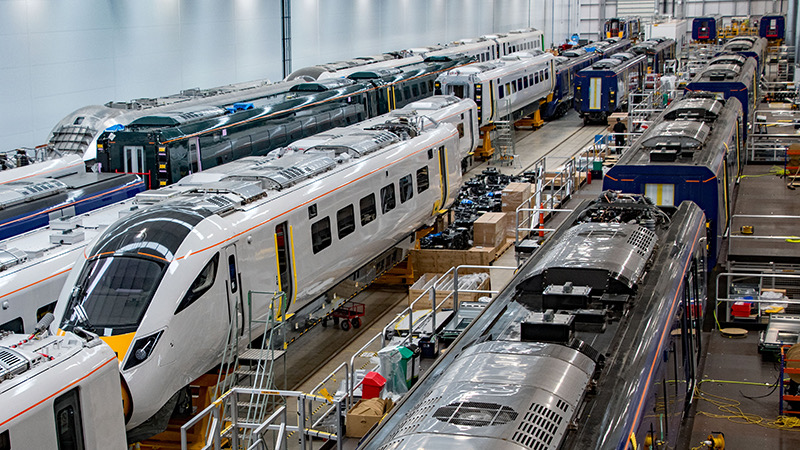
Copper/bronze electrical contact clips mounted onto galvanized steel bogies or carriages endure severe cyclic fatigue in wet outdoor air. Filame provides precision multi-slide stampings and selective-plated spring contacts.

Energy, Marine & Offshore
In marine electrolytes (2–3.5% NaCl), the strict |ΔV| ≤ 150 mV design limit governs alloy selection. Filame forms high-grade corrosion-resistant metals including 316L stainless, Duplex 1.4462, and Inconel 718.
Industrial Seals & Fluid Handling
Graphite gaskets and spring-energized PTFE seals trap conductive electrolytes within tight crevices. Filame manufactures continuous-length springs in noble superalloys (Inconel 718, Hastelloy C276, Elgiloy) to eliminate galvanic cells and maintain seal loading.

Medical Devices & Surgical Instruments
In physiological saline (0.9% NaCl at 37°C) and during autoclave steam cycles (134°C), galvanic couples are strictly prohibited to prevent toxic ion release (metallosis). Filame produces cleanroom-packaged springs in implant-grade 1.4441, 316LVM, and Elgiloy.
Production capacities
Discover our manufacturing capabilities for springs and multi-metal stampings: