Cataphoresis (KTL / E-Coat), Epoxy Powder & Phosphating
Total hollow-body corrosion protection, high impact resistance, and anti-galling break-in performance for fabricated sheet metal and mechanical assemblies.
In structural fabrications, heavy machinery, agricultural equipment, and automotive chassis components, surface treatments must provide both robust chemical protection and mechanical resistance against stone chips, abrasive wear, and weather exposure. Furthermore, complex hollow weldments and enclosed sheet metal fabrications cannot be adequately protected by line-of-sight spray painting.
Filame coordinates certified Cataphoresis (KTL / E-Coat), electrostatic powder coating, and manganese/zinc phosphating to ensure total surface protection across structural stampings and welded fabrications.
1. Cataphoresis (KTL / Cathodic Electrodeposition)
Cataphoresis, known internationally as KTL (Kathodische Tauchlackierung) or E-Coat, is the premier organic primer technology across the global automotive and commercial vehicle industry.
Process & Self-Limiting Throwing Power
Components undergo thorough multi-stage alkaline cleaning, micro-etch zinc phosphating, and demineralized water rinsing. They are then fully submerged in an immersion bath containing waterborne epoxy resin particles in an aqueous dispersion.
An electrical DC potential is applied across the bath, charging the parts as the cathode. Positively charged paint particles migrate to the component surface, coagulating into a dense, insoluble polymer film. As the paint deposits, its electrical resistance increases, naturally diverting the current into unpainted inner zones, deep box channels, and narrow hollow pockets. This throwing power guarantees 100% complete coverage without bare spots.
The film is then cross-linked in baking ovens at 180°C to 200°C for 20 to 30 minutes, forming an ultra-adherent, chemically inert 15 to 25 µm coating.
Key Performance Benefits
- Total Hollow-Body & Cavity Coverage: Protects hidden weld joints and internal cavities in welded assemblies that manual spray guns cannot reach.
- Exceptional Salt Spray Endurance: Delivers 500 h to over 1,000 h of neutral salt spray resistance (ISO 9227) at thin layer thicknesses.
- Chemical & Fluid Barrier: High resistance to automotive brake fluid, motor oils, diesel, battery acids, and agricultural chemicals.
2. Electrostatic Epoxy & Polyester Powder Coating
Where high aesthetic appearance, custom RAL colors, UV stability, and thick impact-resistant armor are required, powder coating is the preferred finish.
Application & Thermal Cross-Linking
Dry, solvent-free polymer powder (epoxy, polyester, or hybrid epoxy-polyester) is fluidized and sprayed through electrostatic corona guns. The electrically charged powder particles adhere uniformly to grounded metallic components.
The parts are then transferred through convection ovens at 180°C to 200°C, where the powder melts, flows, and thermally cross-links into a continuous, tough 60 to 100 µm protective armor.
Distinct Advantages
- Superior Chipping & Scratch Resistance: High ductility and mechanical toughness against gravel impacts on vehicle chassis and industrial sheet metal enclosures.
- Weather & UV Durability: Architectural polyester resins resist chalking, discoloration, and weathering under outdoor solar exposure.
- High-Performance Duplex Systems: Applying powder coating over a cathodic E-Coat (KTL) primer creates an exceptional duplex barrier engineered for harsh marine and off-highway environments.
3. Chemical Conversion: Manganese & Zinc Phosphating
Unlike electroplated platings or thick organic paints, phosphating is a chemical conversion process that transforms the outermost metal surface into an integral crystalline phosphate layer.
Manganese Phosphating (Parkerizing, 2 to 5 µm)
Steel components are immersed in hot, activated phosphoric acid containing manganese cations. The resulting dark grey crystalline structure has a microscopic capillary porosity that absorbs and permanently retains preservative oils and dry lubricants.
- Anti-Scuffing & Break-in Lubrication: Prevents metal-to-metal galling, scoring, and cold welding during the critical initial run-in period of gear mechanisms, splines, and moving formed wires.
- Zero Hydrogen Embrittlement: Operates as a purely chemical bath with zero electrical current and high hydrogen effusion compatibility.
Zinc Phosphating (Pre-Paint Anchor, 1 to 3 µm)
Zinc phosphating produces an insoluble, micro-crystalline keying layer that serves as an indispensable anchor coat for subsequent E-coat, powder coats, or liquid paints, preventing paint peeling or flaking under stone impacts.
Components Treated at Filame
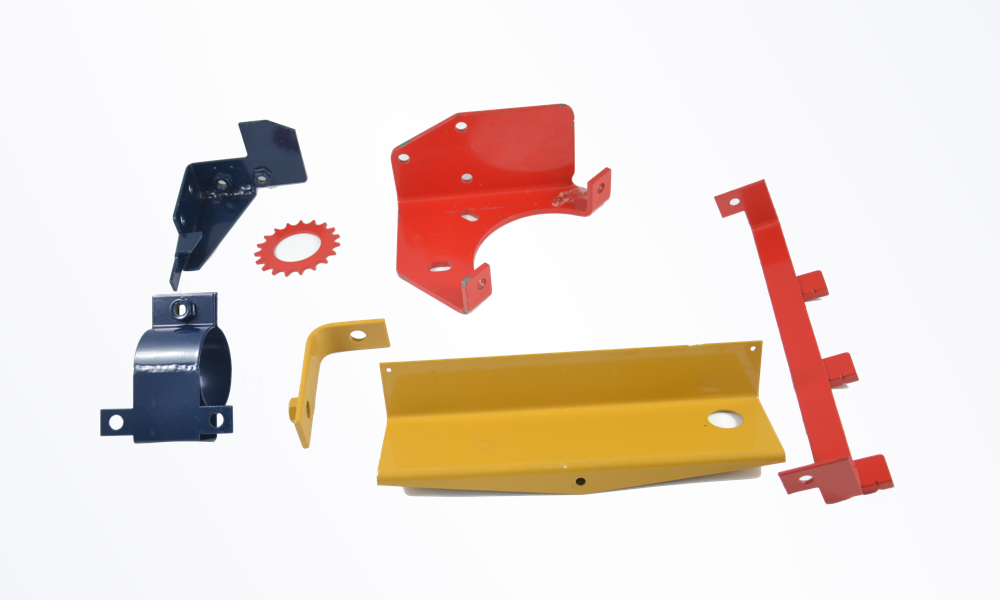
- Heavy stamped brackets and support arms manufactured on mechanical presses.
- Complex structural frames and chassis fabrications produced in our precision laser cutting and welding facility.
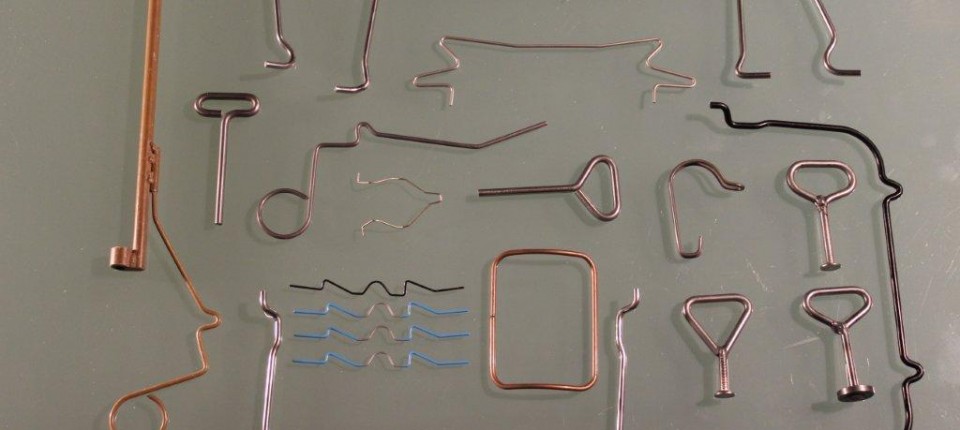
- Precision engine and transmission wire forms requiring lifetime break-in lubrication.
Production capacities
Discover Filame's production capabilities in Cataphoresis (KTL / E-Coat), Epoxy Powder & Phosphating:
Automatic Presses
Clips & Spring Clips
Compression Springs
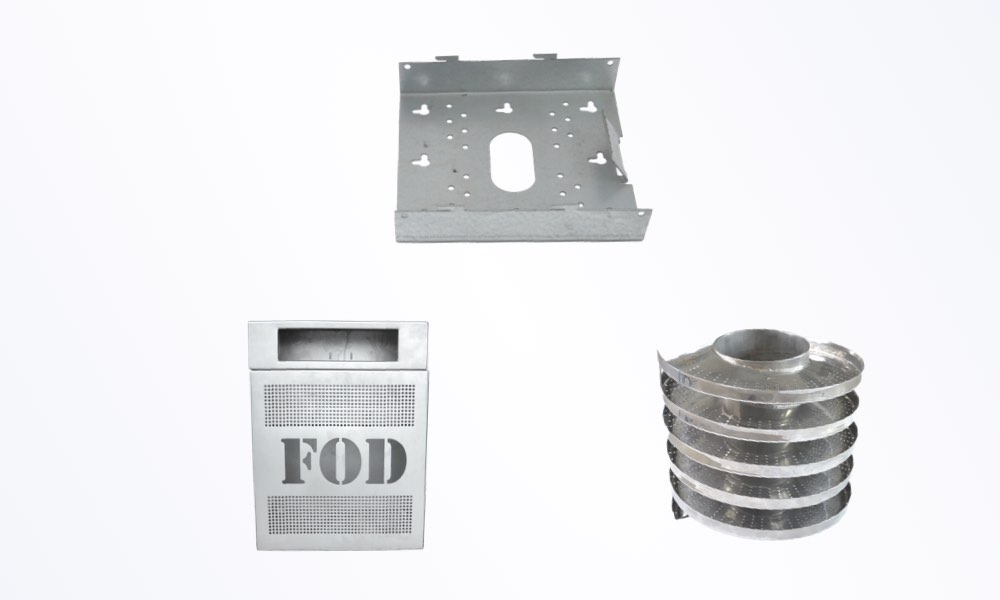
Custom Industrial Sheet Metal, Laser Cutting & Robotic Welding
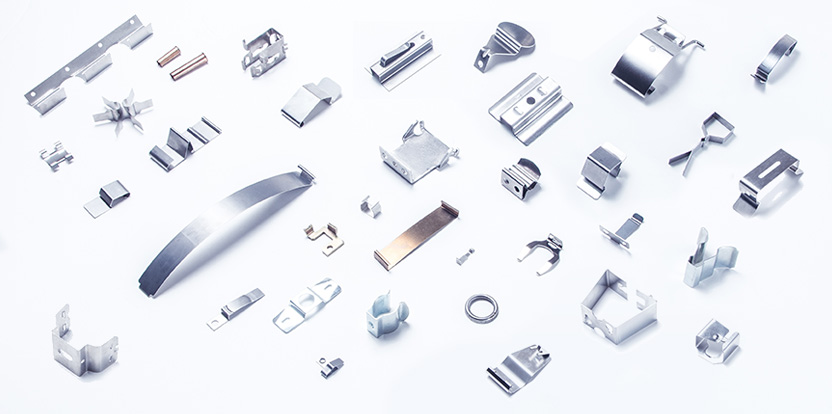
Custom Metal Clips, Flat Springs & Fasteners
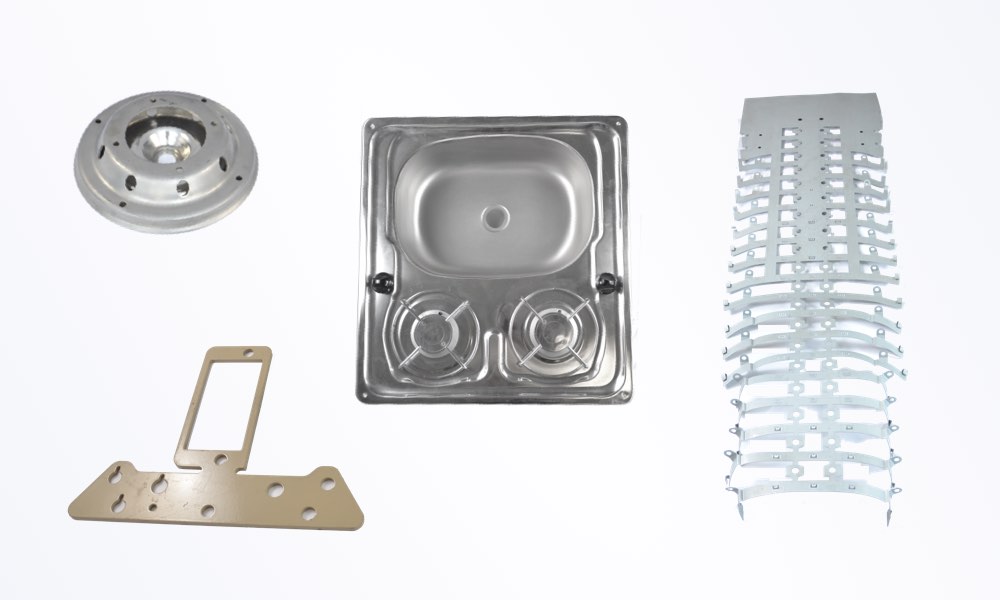
Custom Metal Stamping, Pressing & Formed Parts
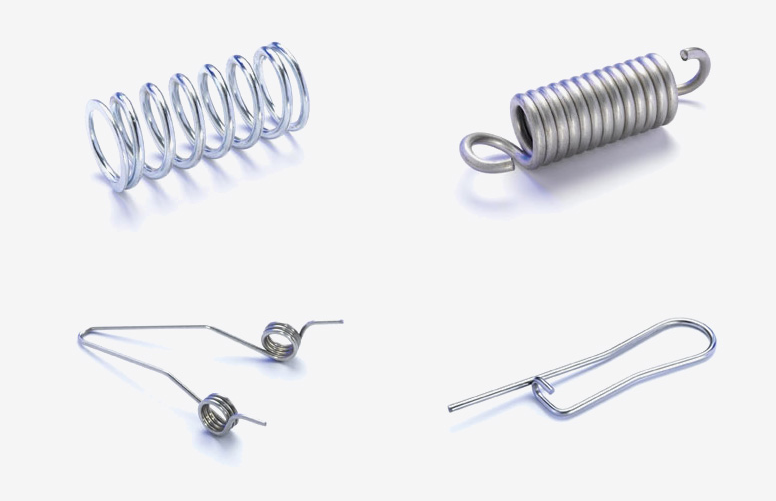
Custom Precision Springs & Wire Forms Manufacturer
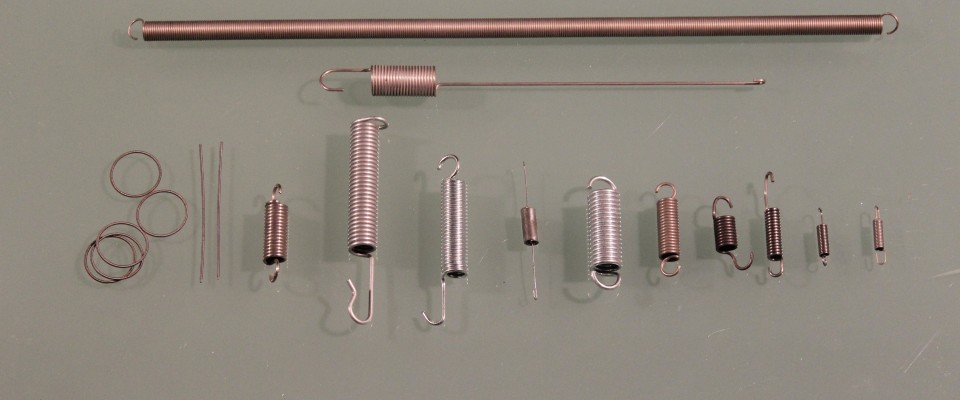
Extension Springs
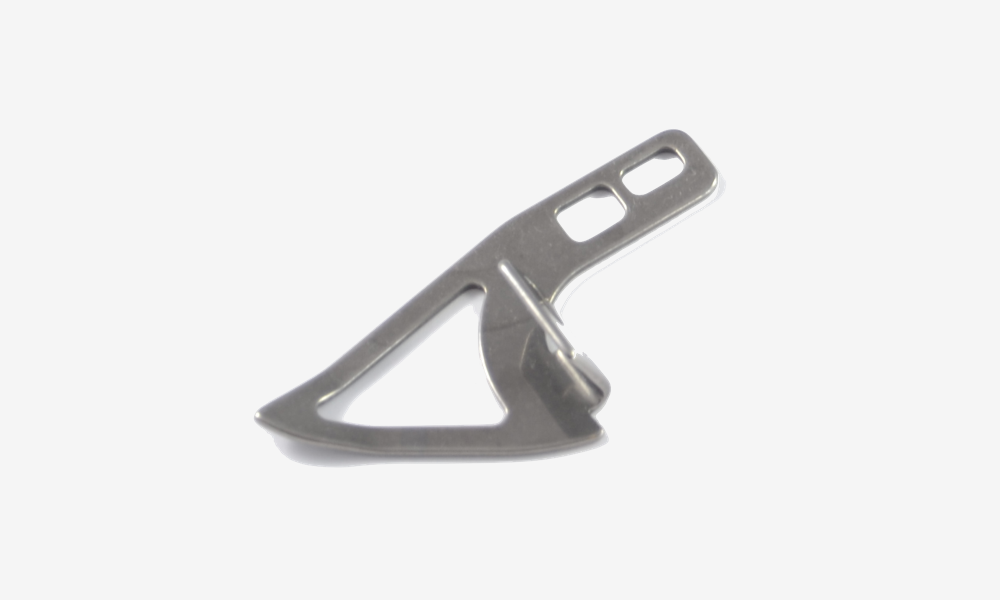
Flat Springs
Hydraulic Presses
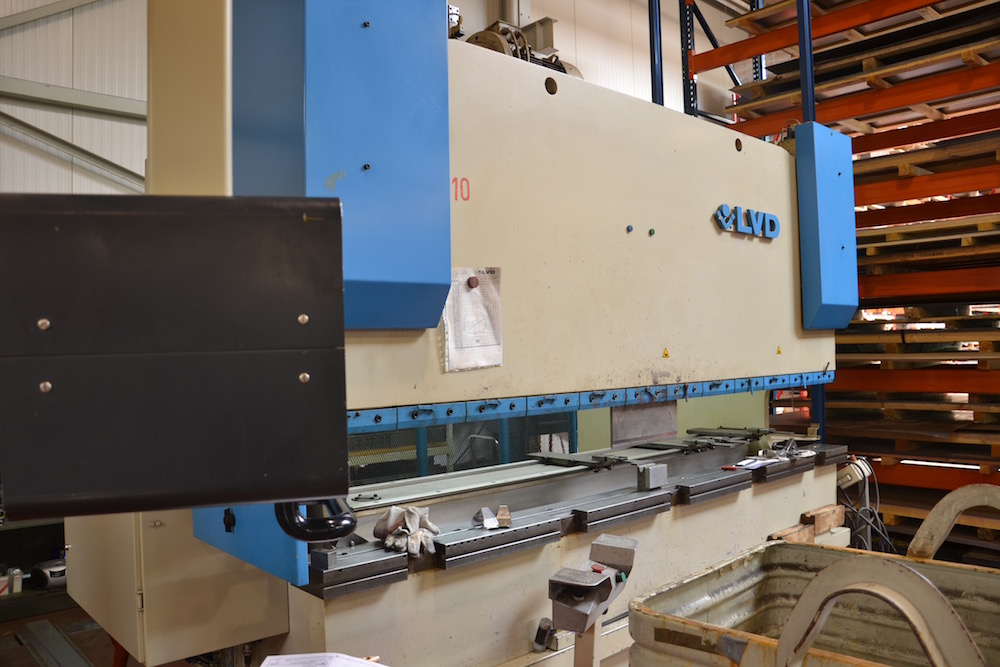
Industrial CNC Bending
Laser Cutting
Mechanical Presses
Sheet Metal Work
Slide Machines
Technical Fasteners
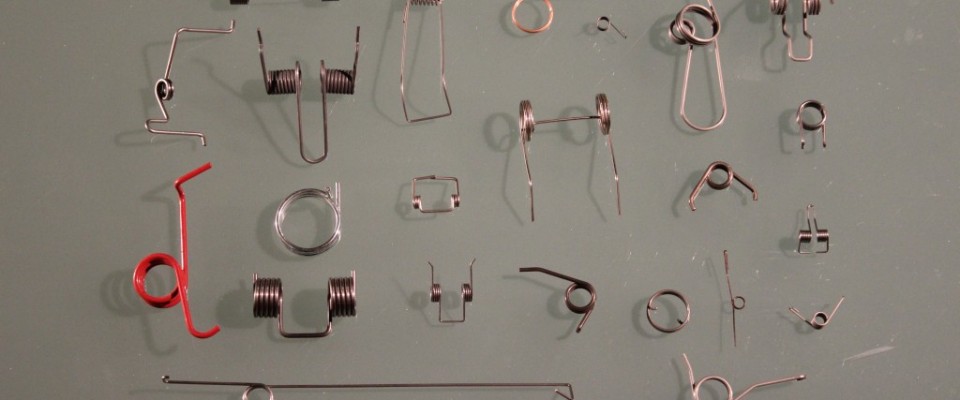
Torsion Springs
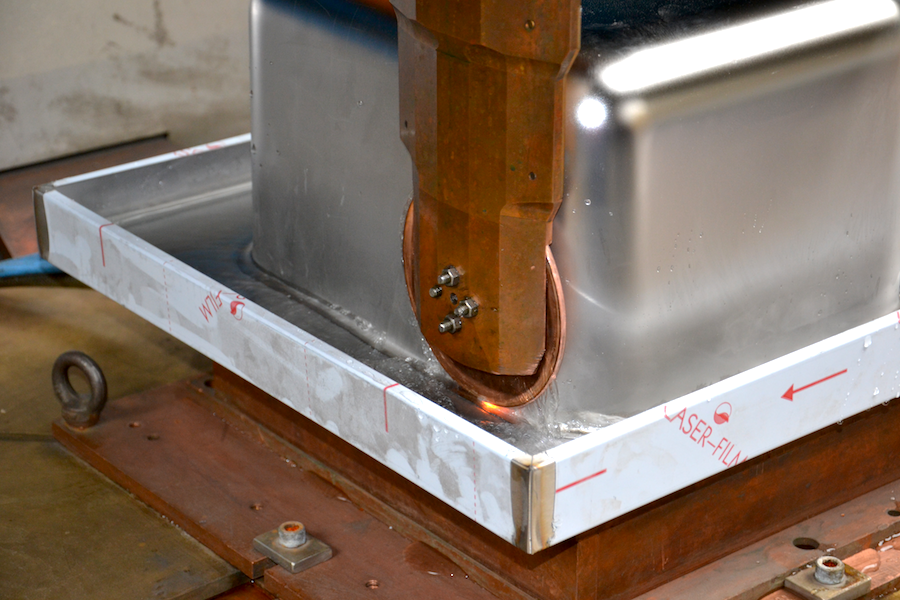
Welding