Shot Peening for Technical Springs: Fatigue Life & Residual Stress
Engineer infinite dynamic endurance: discover how controlled shot peening induces deep compressive residual stresses to arrest fatigue micro-cracks in high-performance springs.
In dynamic mechanical applications—such as automotive valve gear, high-pressure injection pumps, industrial vibrators, and railway braking systems—precision springs are subjected to millions of cyclic deflections. Under cyclic shear and tensile stresses, fatigue failure almost invariably originates at microscopic surface imperfections, tool marks, or decarbonized surface layers where local stress concentration is highest.
Shot peening is the standard metallurgical cold-working process specified to prevent premature dynamic fatigue failure and shift Goodman fatigue diagrams upwards.
The Metallurgical Mechanism: Compressive Residual Stress
When an unpeened spring is compressed, the inner and outer fiber surfaces experience combined torsional shear stresses (τ) and tensile stress peaks. Because fatigue cracks require tensile stress to initiate and propagate, shot peening fundamentally changes the surface stress profile:
- High-Velocity Media Impingement: Calibrated spherical cast steel shot, conditioned cut wire, or ceramic beads are accelerated against the spring coils at velocities exceeding 40 to 60 m/s.
- Surface Plastic Yielding: Each spherical particle creates a microscopic spherical indentation, stretching the surface layer plastically in tension.
- Elastic Sub-Surface Reaction: When the shot particle rebounds, the underlying elastic core attempts to restore the surface to its original shape, trapping the outer surface in a permanent state of high compressive residual stress (typically -600 MPa to -900 MPa).
As a result, when an operational dynamic load is applied, the working tensile stress must first overcome the pre-existing compressive residual stress before any tensile crack initiation can occur.
Engineering Advantages on Filame Spring Ranges
- Fatigue Life Increase of +30% to +50%: Enables springs manufactured from standard valve-quality spring steel wire (such as EN 10270-2 VD/TD or EN 10270-3 1.4310/1.4568) to achieve infinite life (> 10⁷ cycles) under stress ranges that would otherwise cause fatigue failure.
- Retardation of Micro-Crack Growth: Microscopic inclusions or drawing marks that would serve as crack nucleation sites are held in compression, preventing crack opening.
- Resistance to Stress Corrosion Cracking (SCC): By eliminating tensile surface stresses, shot peening significantly improves resistance to stress corrosion in humid or aggressive industrial environments.
Process Quality & Standards at Filame
To avoid coil deformation, inner coil shadowing, or excessive surface roughness (Ra), Filame controls shot peening according to aerospace and automotive standards (SAE AMS 2430, ISO 13906-1):
- Almen Strip Intensity Verification: Calibration using Almen A or N standard test strips to verify kinetic energy transfer and blast stream uniformity.
- Coverage Verification (100% to 200%): Optical and fluorescent dye inspection ensures complete overlap of peening dimples across both outer and inner coil diameters.
- Conditioned Spherical Media: Broken, angular shot particles are continuously separated via cyclonic separators to eliminate sharp edges that could generate stress micro-notches.
- Low-Temperature Stress Relief Baking: Following shot peening, springs undergo a thermal stabilization treatment at 200°C–230°C for 30 minutes. This relieves localized microscopic notch stresses caused by peening dimples without reducing the beneficial macro-compressive residual stress field.
Applicable Components
Controlled shot peening is available across Filame’s manufacturing lines for:
- High-cycle compression springs for safety valves and automotive assemblies.
- Dynamically loaded torsion springs and safety-critical wire forms.
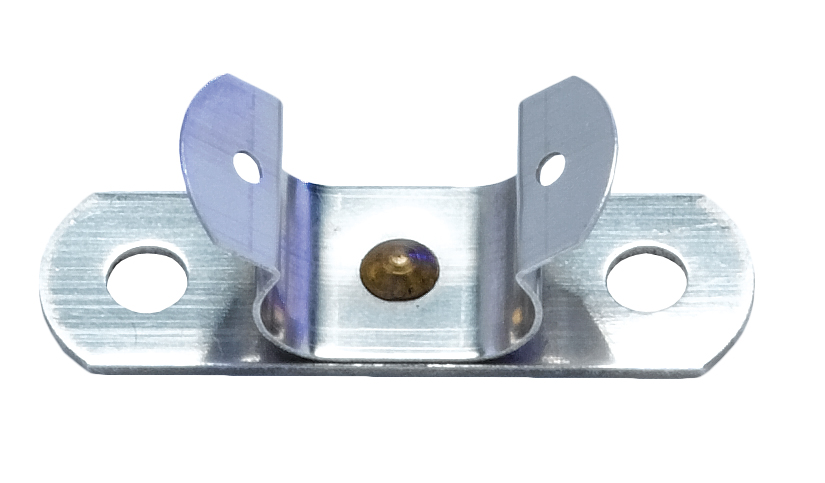
- Heavy-duty flat springs and clips exposed to repetitive cyclic deflections.
Production capacities
Discover Filame's production capabilities in Shot Peening for Technical Springs: Fatigue Life & Residual Stress:
Automatic Presses
Clips & Spring Clips
Compression Springs
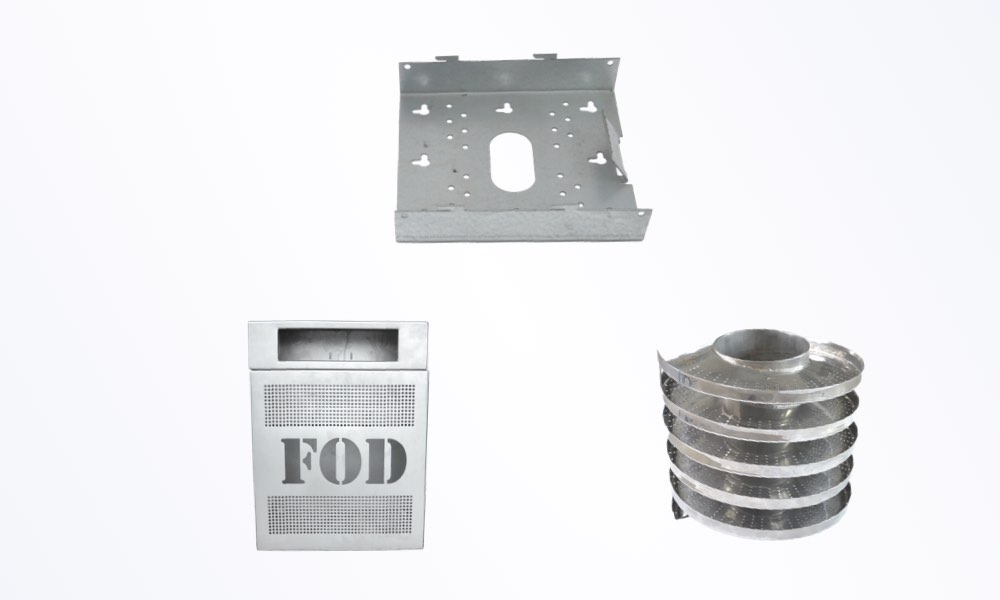
Custom Industrial Sheet Metal, Laser Cutting & Robotic Welding
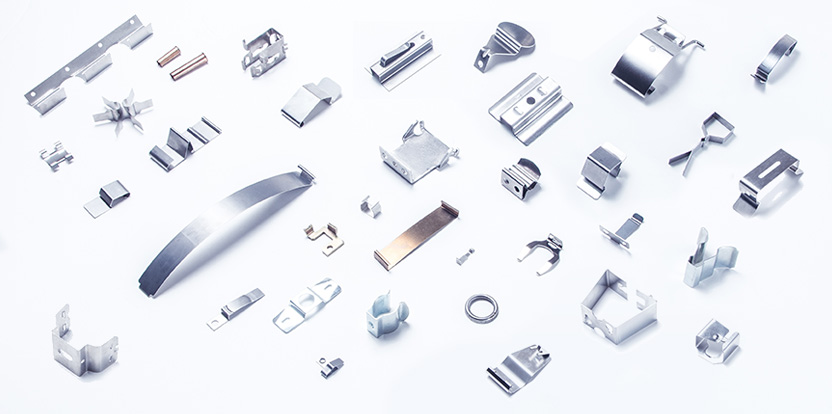
Custom Metal Clips, Flat Springs & Fasteners
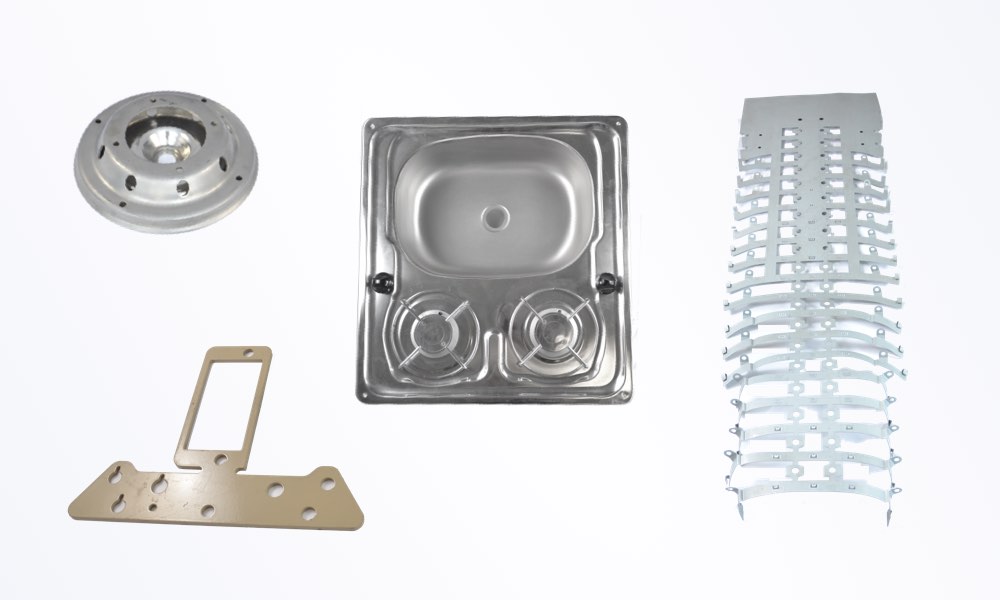
Custom Metal Stamping, Pressing & Formed Parts
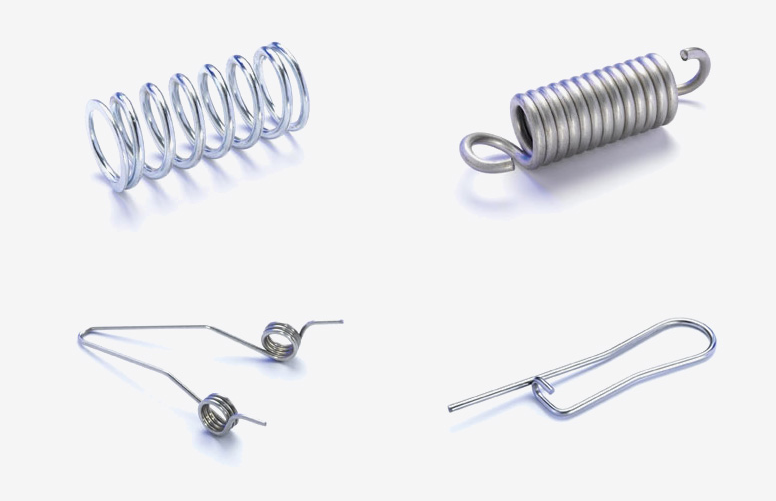
Custom Precision Springs & Wire Forms Manufacturer
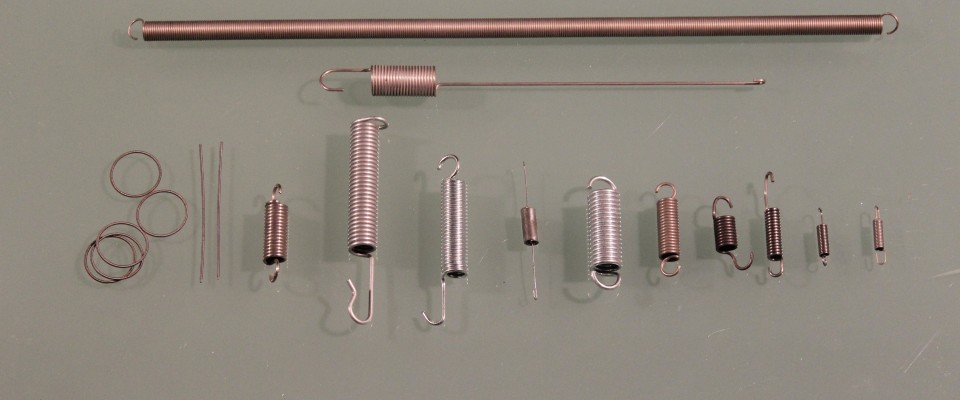
Extension Springs
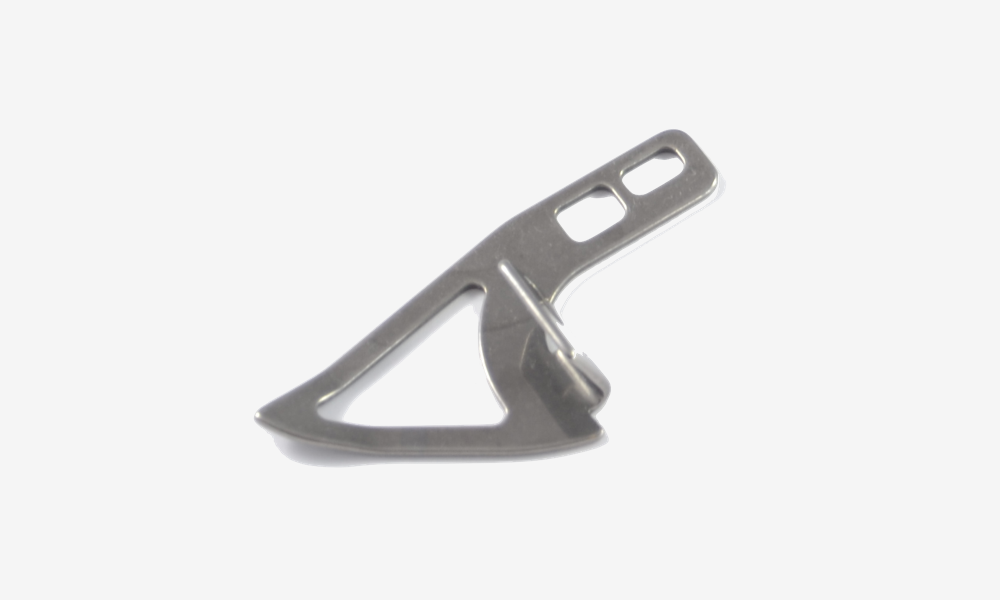
Flat Springs
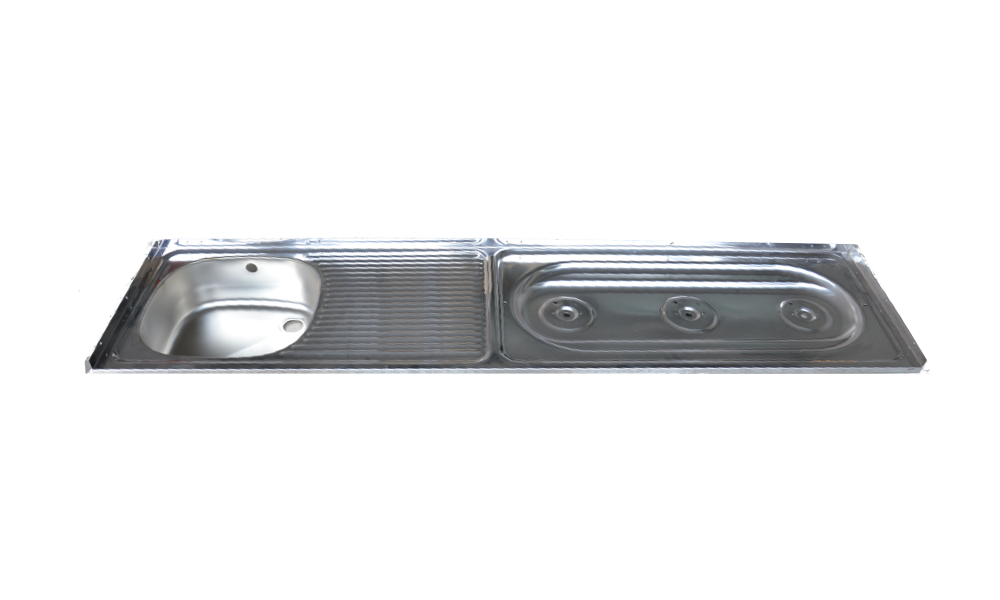
Hydraulic Presses
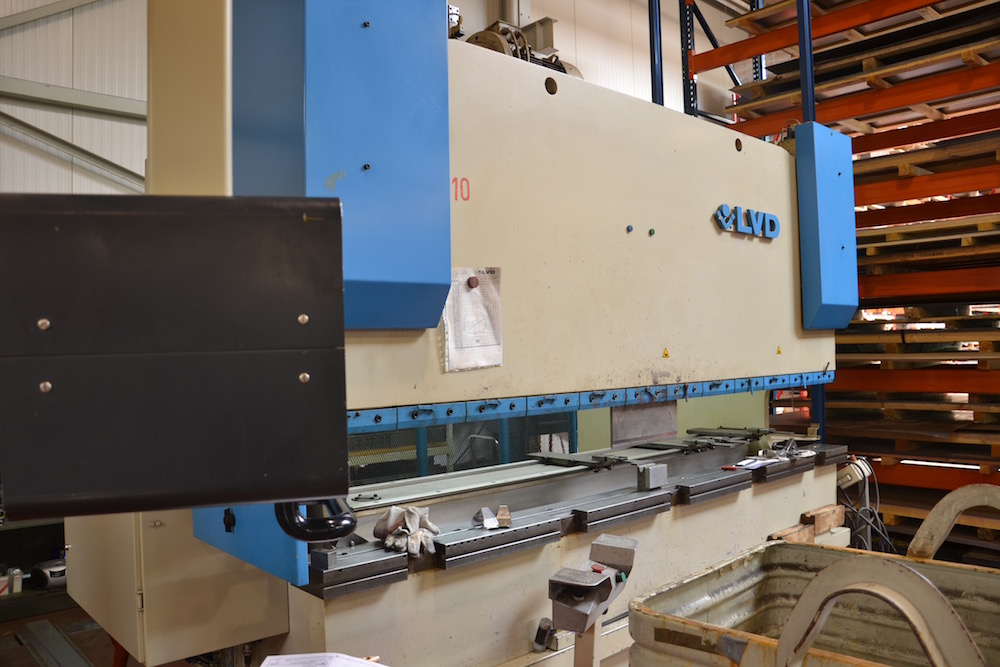
Industrial CNC Bending
Laser Cutting
Mechanical Presses
Sheet Metal Work
Slide Machines
Technical Fasteners
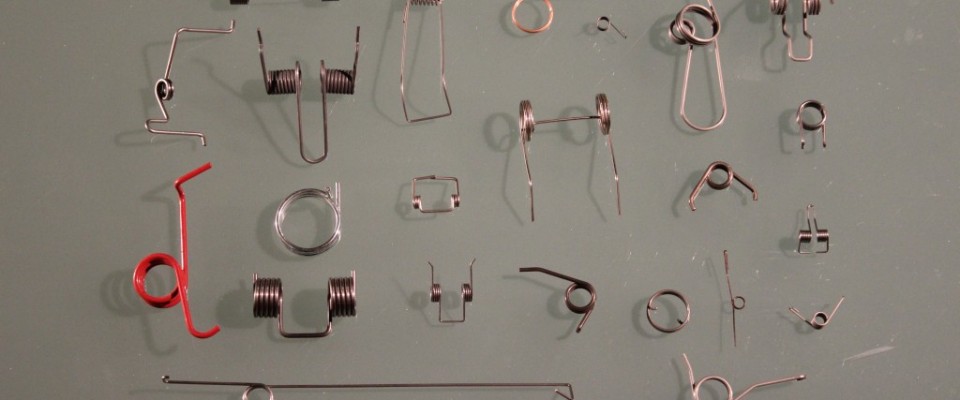
Torsion Springs
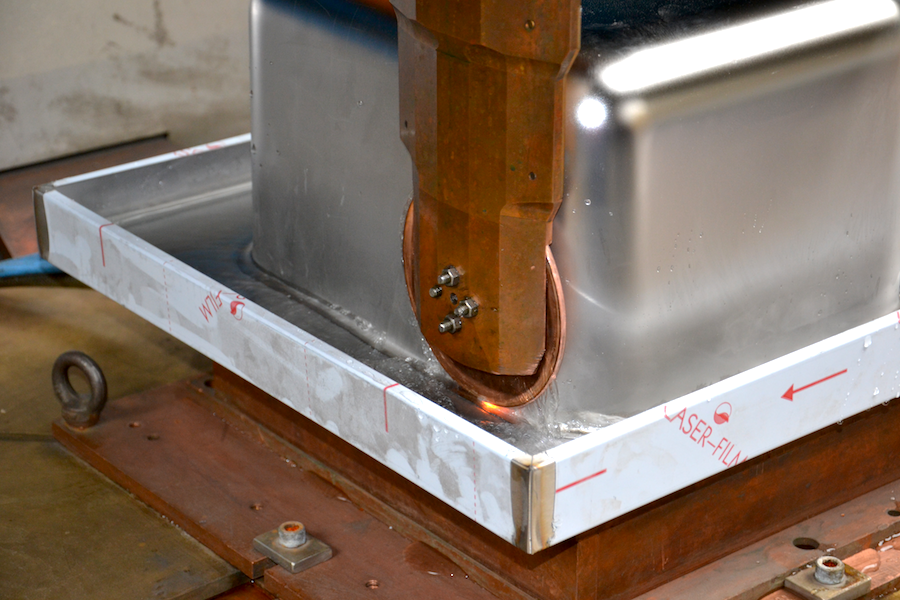
Welding