Galvanic Plating for Technical Components: Zinc, Nickel, Copper, Tin
From sacrificial atmospheric protection to low-resistance electrical contacts: explore Filame's certified galvanic electroplating processes for springs and stamped assemblies.
Galvanic electroplating remains the most versatile and cost-effective surface engineering method for mass-produced metal components. In the serial manufacture of precision stampings, engineered clips, and technical springs, galvanic coatings provide essential functions: sacrificial cathodic corrosion protection, electrical contact optimization, wear resistance, and precise aesthetic finishes.
Filame coordinates barrel and rack electroplating lines adhering to automotive and industrial standards (such as DIN 50979, ISO 2081, ISO 24251-1).
1. Zinc Electroplating (White, Blue & Black Passivation)
Standard zinc electroplating deposits a ductile layer of pure zinc (5 to 15 µm) onto carbon steel substrates.
Zinc is electrochemically more electronegative than steel (-0.76 V vs. -0.44 V). In corrosive electrolytes, the zinc layer acts as a sacrificial anode, corroding preferentially to shield the underlying iron core even if the coating is mechanically scratched.
To delay white rust (zinc hydroxide formation), components receive trivalent chromium passivations (Cr³⁺, hexavalent-free):
- Clear / Iridescent Blue Passivation: 96 h to 168 h to red rust in neutral salt spray (ISO 9227).
- Deep Black Passivation: 120 h to 240 h to red rust, paired with topcoat sealers for automotive under-hood aesthetics.
- Economical Atmospheric Protection: Ideal for standard spring steel clips, mild steel stampings, and indoor mechanical hardware.
2. High-Performance Zinc-Nickel (DIN 50979)
For demanding automotive, defense, and heavy transport specifications, standard zinc is replaced by Zinc-Nickel (ZnNi) electroplating.
The electrodeposited alloy contains 12% to 15% nickel uniformly co-deposited in the zinc matrix (8 to 15 µm).
- Superior Thermal Stability: Standard zinc passivations degrade above 80°C–100°C, whereas Zinc-Nickel preserves its protective matrix at continuous service temperatures up to 150°C–180°C.
- Extreme Salt Spray Resistance: Delivers 720 h to over 1,000 h of neutral salt spray endurance without red rust.
- Low Galvanic Potential: Excellent compatibility when mating against structural aluminum, minimizing galvanic corrosion risks.
3. Nickel Plating (Electrolytic Watts & Chemical / Electroless)
Nickel provides an exceptionally hard, uniform, and aesthetically brilliant barrier coating with low friction.
Electrolytic Watts Nickel (5 to 20 µm)
Applied from a nickel sulfate/chloride electrolyte. Offers high ductility and serves as an intermediate diffusion barrier before chrome, gold, or tin.
Electroless Nickel (Ni-P, 10 to 30 µm)
Autocatalytic chemical reduction without electric current. Deposits an exceptionally uniform nickel-phosphorus layer with zero edge buildup, perfectly coating internal threads and deep blind holes.
- Wear Hardness: Electroless nickel achieves an as-plated hardness of 500–600 HV, which increases to 900–1,000 HV after thermal post-baking (400°C for 1 hour).
- Typical Components: Wear-resistant guide pins, multi-slide components formed on Bihler presses, and hydraulic valve sleeves.
4. Copper & Tin Plating for Electrical Connectivity
For electrical switchgear, automotive busbars, and battery terminal clips, electrical conductivity and contact integrity are paramount:
- Copper Plating (2 to 5 µm): Electrodeposited alkaline or acid copper. Serves as an indispensable conductive base and adhesion strike layer on carbon steel before nickel or tin deposition.
- Pure Tin Plating (Bright or Matte, 3 to 10 µm): Applied over a copper or nickel barrier. Provides low contact resistance, prevents fretting corrosion, and guarantees long-term solderability per DIN EN ISO 2093.
De-Embrittlement Protocol for High-Strength Spring Steels
Because electroplating processes release atomic hydrogen, high-strength spring steels (Rm > 1,000 MPa) must undergo strict de-embrittlement procedures:
- Mandatory Oven Time: Parts are transferred to de-embrittlement ovens within maximum 4 hours of leaving the plating bath.
- Thermal Cycle: Baking at 200°C to 230°C for 4 to 24 hours per ISO 24251-1 / AMS 2759/9 allows trapped atomic hydrogen to effuse through the crystal lattice.
- Alternative: When zero hydrogen risk is required without baking, Filame specifies non-electrolytic zinc flake systems (Delta Tone).
Production capacities
Discover our manufacturing capabilities for springs and multi-metal stampings:
Automatic Presses
Clips & Spring Clips
Compression Springs
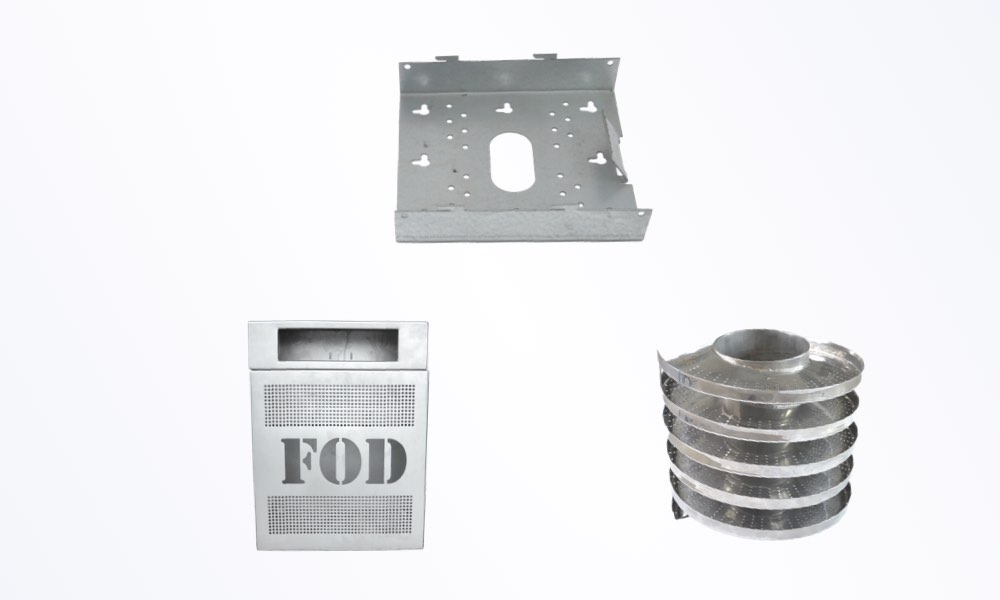
Custom Industrial Sheet Metal, Laser Cutting & Robotic Welding
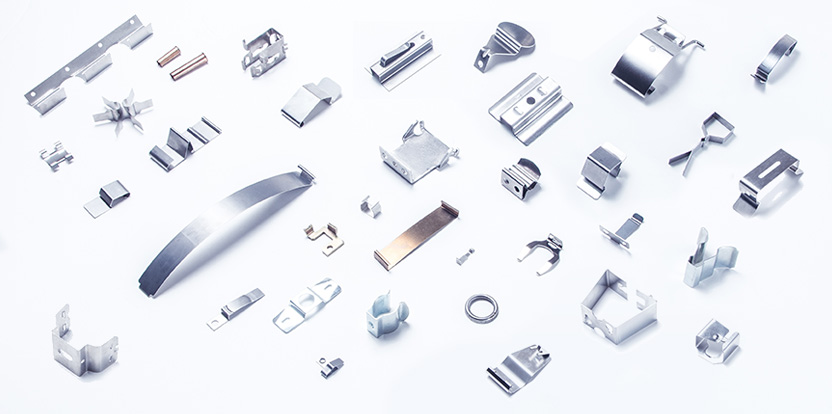
Custom Metal Clips, Flat Springs & Fasteners
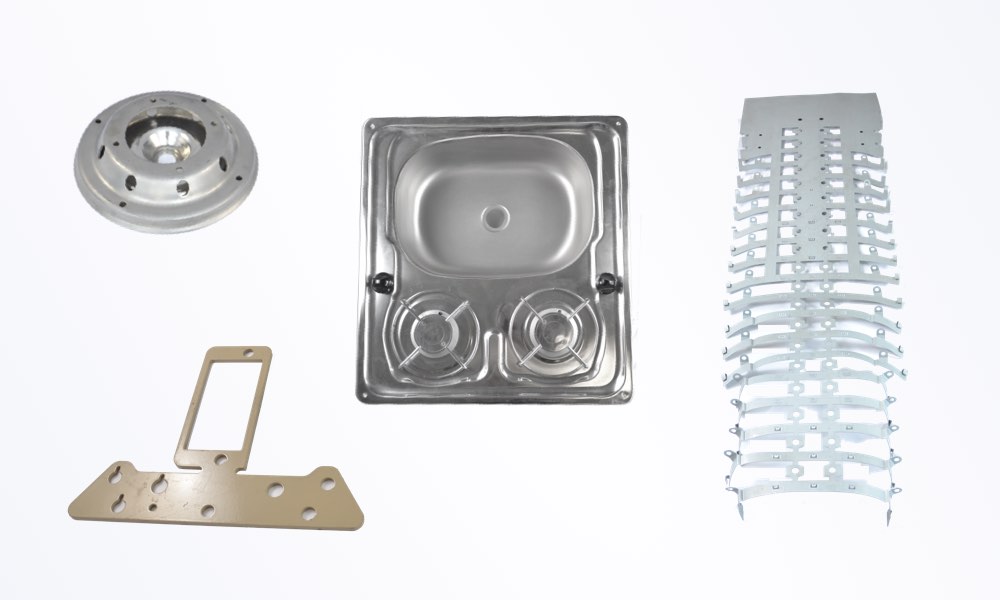
Custom Metal Stamping, Pressing & Formed Parts
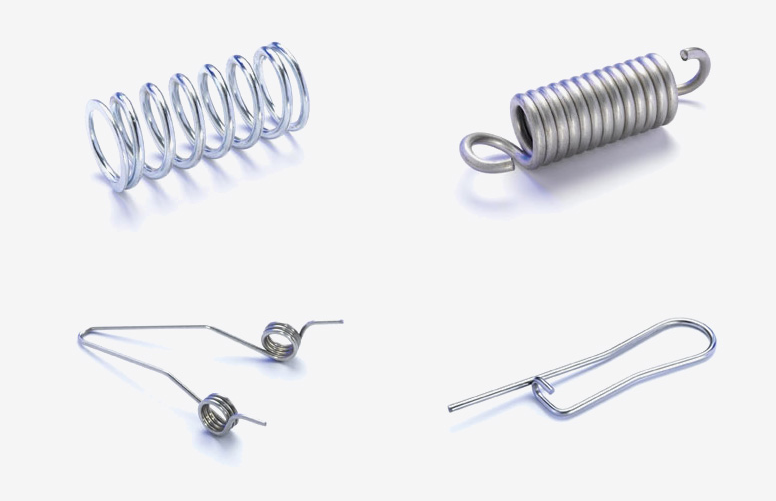
Custom Precision Springs & Wire Forms Manufacturer
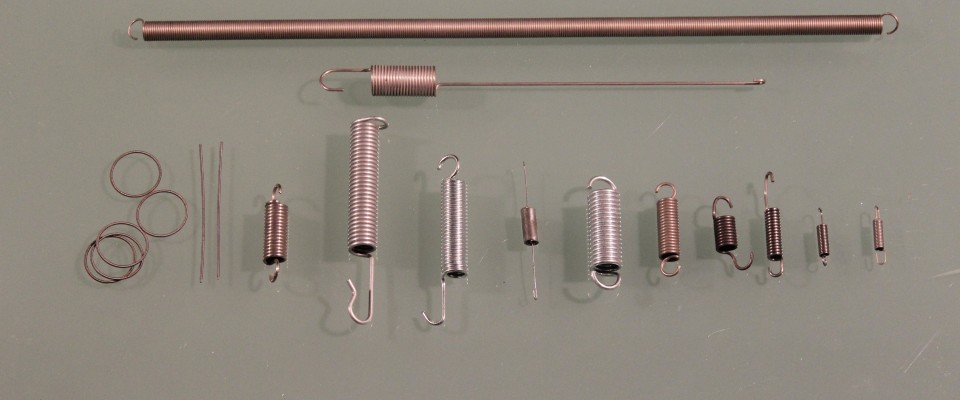
Extension Springs
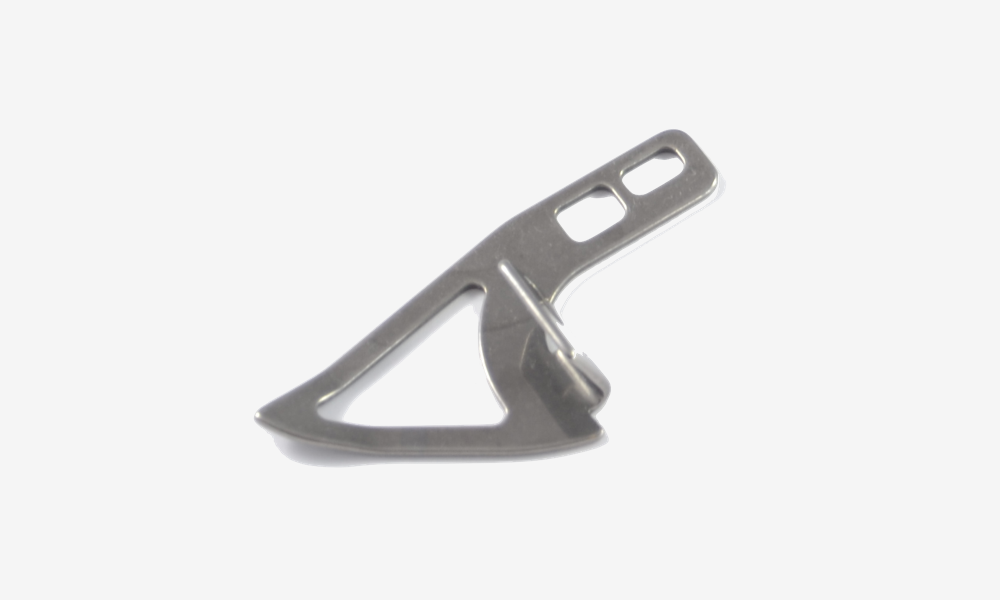
Flat Springs
Hydraulic Presses
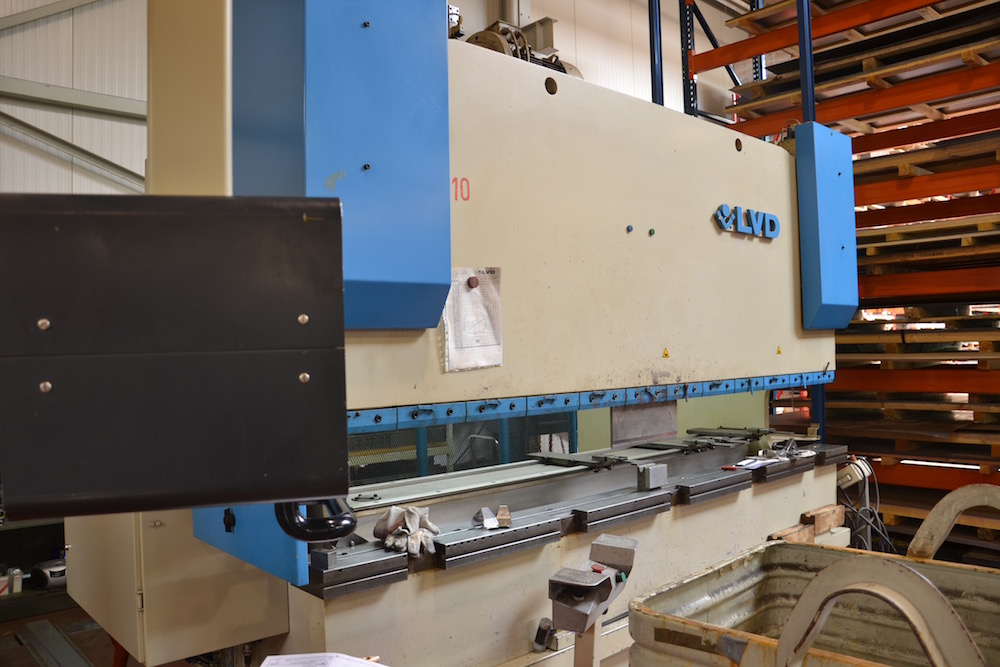
Industrial CNC Bending
Laser Cutting
Mechanical Presses
Sheet Metal Work
Slide Machines
Technical Fasteners
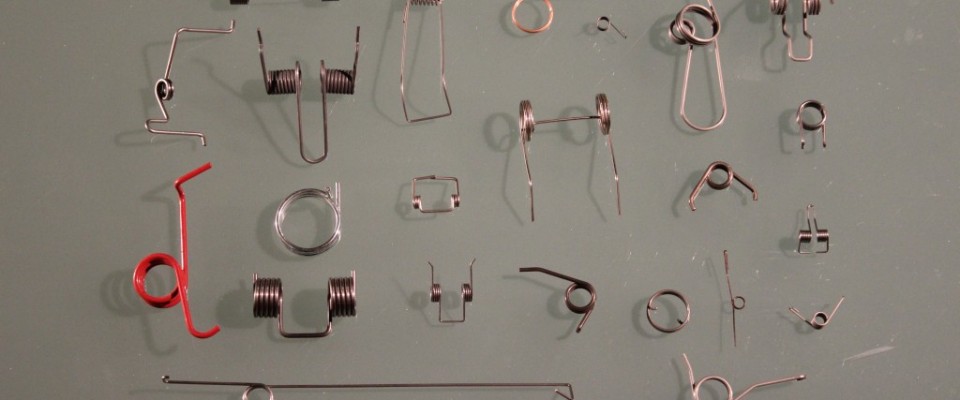
Torsion Springs
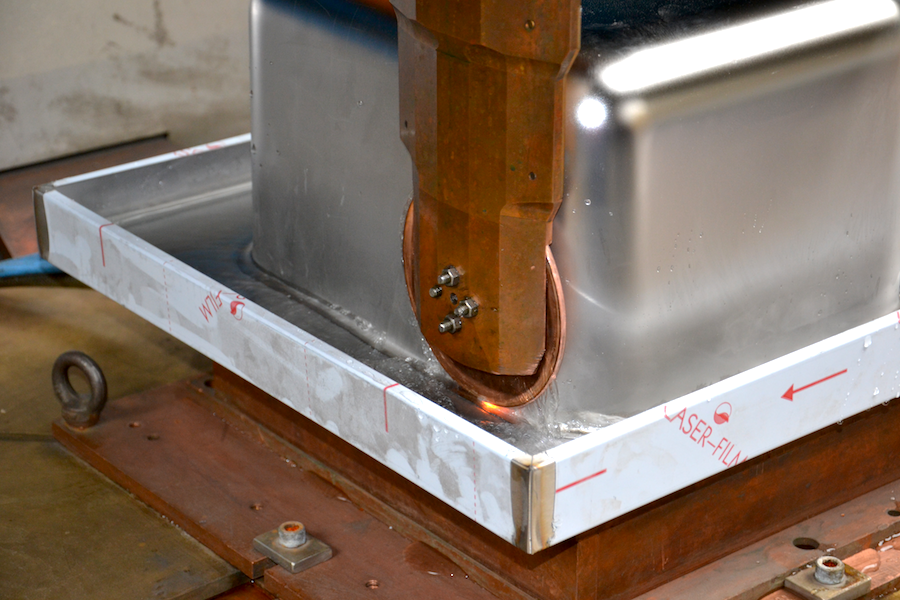
Welding