Zinc Flake Coatings & Hydrogen Embrittlement: Delta Tone & Delta Seal
Zero hydrogen embrittlement and over 1,500 hours of salt spray endurance: discover the metallurgical benefits of non-electrolytic zinc flake systems for safety-critical spring components.
In safety-critical industries—including automotive chassis, rail infrastructure, aerospace ground equipment, and wind turbine mechanisms—high-strength spring steels (Rm > 1,000 MPa or hardness > 320 HV) are susceptible to hydrogen embrittlement (HE). Catastrophic delayed failure can occur under sustained operational loads with no prior warning or plastic deformation.
Non-electrolytic zinc flake coatings—specifically the Delta Tone basecoat and Delta Seal organic topcoat system (compliant with ISO 10683)—represent the premier metallurgical solution to combine ultimate atmospheric corrosion protection with complete immunity to hydrogen-induced cracking.
The Threat: Hydrogen Embrittlement in Spring Steels
When high-carbon spring steels (such as XC75, XC80, XC90, or 51CrV4) are processed through conventional galvanic electroplating lines, two stages introduce atomic hydrogen (H⁺):
- Acid Pickling Pre-treatment: Immersion in hydrochloric or sulfuric acid to strip scale generates copious atomic hydrogen at the steel surface.
- Electroplating Deposition: Cathodic current in electrolytic zinc baths causes simultaneous reduction of zinc ions and hydrogen ions (2H⁺ + 2e⁻ → 2H).
Because atomic hydrogen has an extremely small ionic radius, it rapidly diffuses through the steel lattice and accumulates at high-stress concentrations—such as grain boundaries, crystal lattice dislocations, and internal micro-notches. Under mechanical service stress, hydrogen reduces the cohesive strength of interatomic bonds, triggering sudden, brittle intergranular cracking.
While post-plating baking (4 to 24 hours at 200°C–230°C per ISO 24251-1 / AMS 2759/9) helps effuse trapped hydrogen, it cannot guarantee 100% elimination of trapped hydrogen in ultra-high-strength parts (Rm > 1,400 MPa).
The Solution: Non-Electrolytic Dip-Spin Zinc Flake Technology
The Delta Tone process operates through an entirely non-electrolytic dip-spin (immersion-centrifugation) application:
Scale and surface oxides are removed via mechanical shot blasting or neutral alkaline degreasing—zero acid pickling is employed.
Components are then immersed in a liquid bath containing microscopic flakes of zinc (80–90%) and aluminum in an inorganic binder matrix, followed by high-speed centrifugation to control coating thickness (typically 8 to 12 µm).
The parts are then baked in curing ovens at 200°C to 240°C, forming an electrically conductive, highly adherent metallic flake barrier.
Because no electric current and no acid baths are used, atomic hydrogen is never generated at any stage of the process, eliminating 100% of hydrogen embrittlement risk.
The Synergistic Duplex System: Delta Tone + Delta Seal
For demanding outdoor and chemical environments, Filame pairs the Delta Tone basecoat with a Delta Seal organic topcoat:
| Coating Layer | Chemistry | Typical Thickness | Primary Technical Function |
|---|---|---|---|
| Delta Tone (Basecoat) | Zinc & aluminum flakes in an inorganic matrix | 8 – 12 µm | Sacrificial galvanic protection, zero hydrogen risk, conductivity |
| Delta Seal (Topcoat) | Thermosetting organic polymer matrix | 1 – 3 µm | Chemical barrier (fuels, oils, de-icing salts), friction control (µ = 0.10–0.16) |
Key Performance Benefits
- Corrosion Resistance > 1,500 Hours (ISO 9227): Withstands over 1,000 to 1,500 hours of neutral salt spray without red rust, outperforming standard zinc electroplating by a factor of 5 to 10.
- Galvanic Isolation: The organic Delta Seal topcoat dramatically reduces galvanic corrosion when steel springs or fasteners are assembled into aluminum castings or structural carbon composite panels.
- Tight Dimensional Tolerances: Total coating thickness rarely exceeds 12 to 15 µm, preventing thread clogging on fine-pitch fasteners or dimensional binding on precision stampings.
Typical Components Treated at Filame
- High-tensile flat springs and leaf springs for automotive suspension and powertrain clips.
- Heat-treated spring clips and engineered fasteners assembled on automated high-speed production lines.
- Heavy-duty compression springs exposed to coastal, de-icing salt, or harsh industrial environments.
Production capacities
Discover Filame's production capabilities in Zinc Flake Coatings & Hydrogen Embrittlement: Delta Tone & Delta Seal:
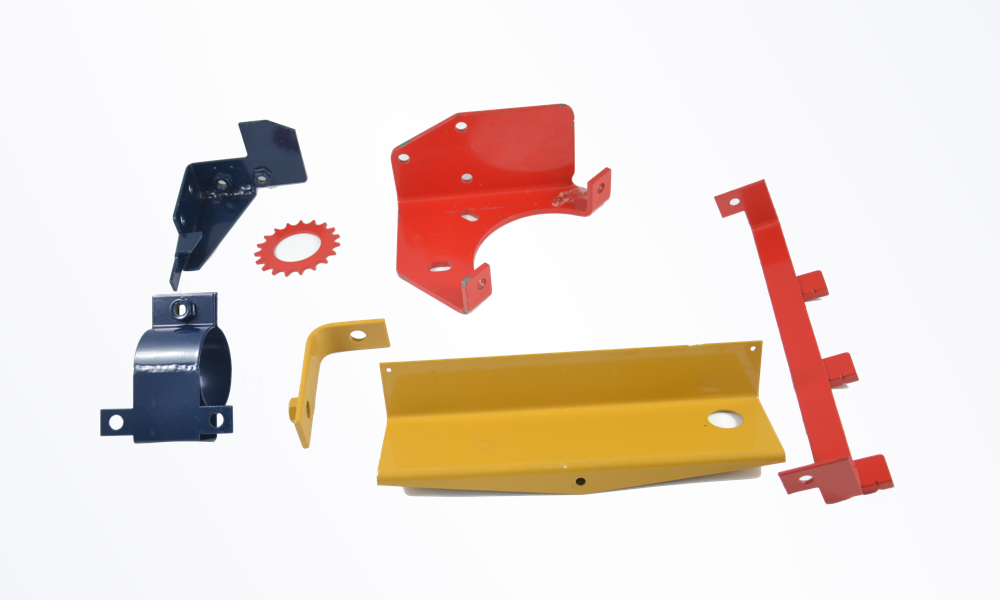
Automatic Presses
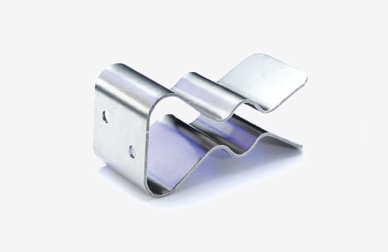
Clips & Spring Clips
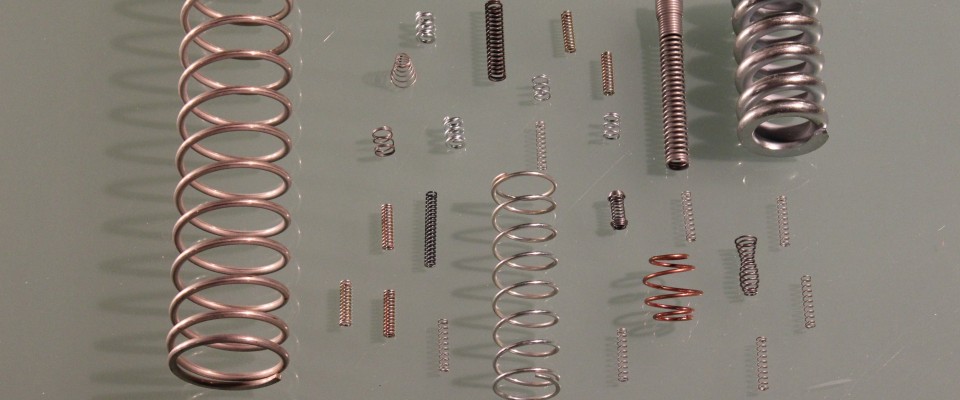
Compression Springs
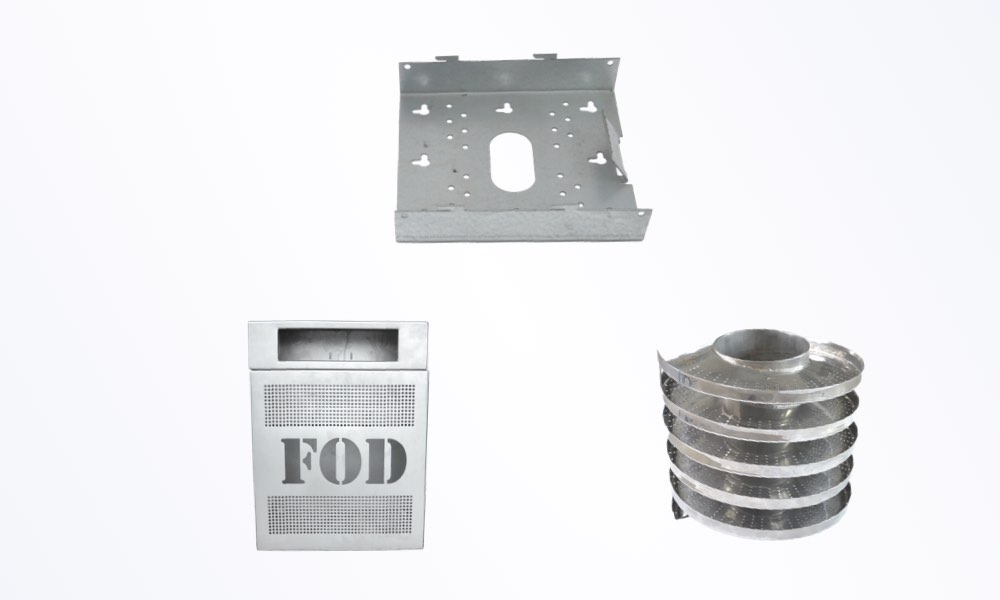
Custom Industrial Sheet Metal, Laser Cutting & Robotic Welding
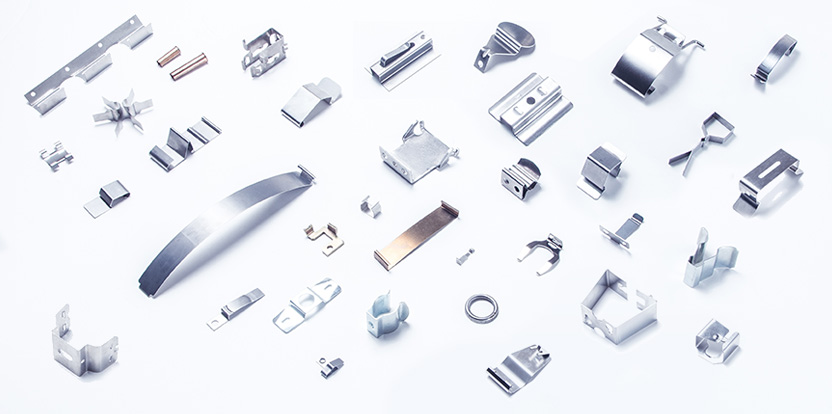
Custom Metal Clips, Flat Springs & Fasteners
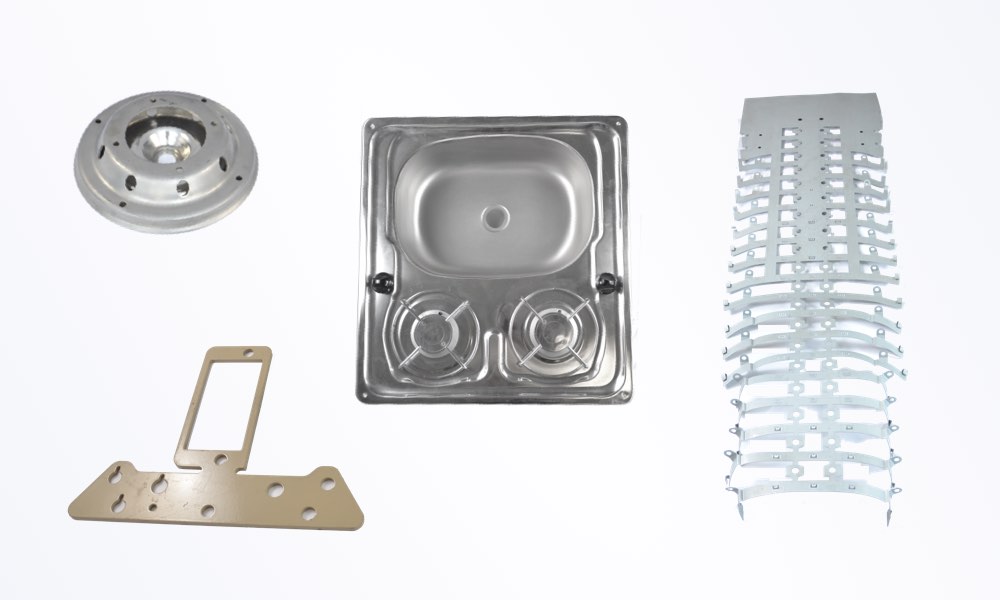
Custom Metal Stamping, Pressing & Formed Parts
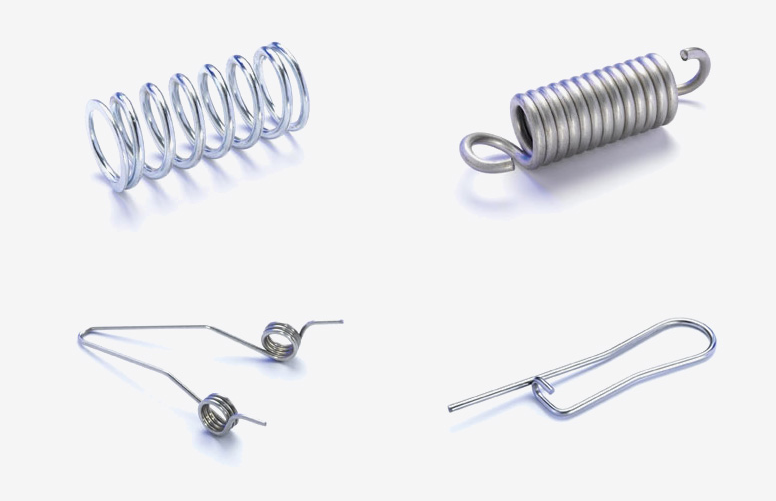
Custom Precision Springs & Wire Forms Manufacturer
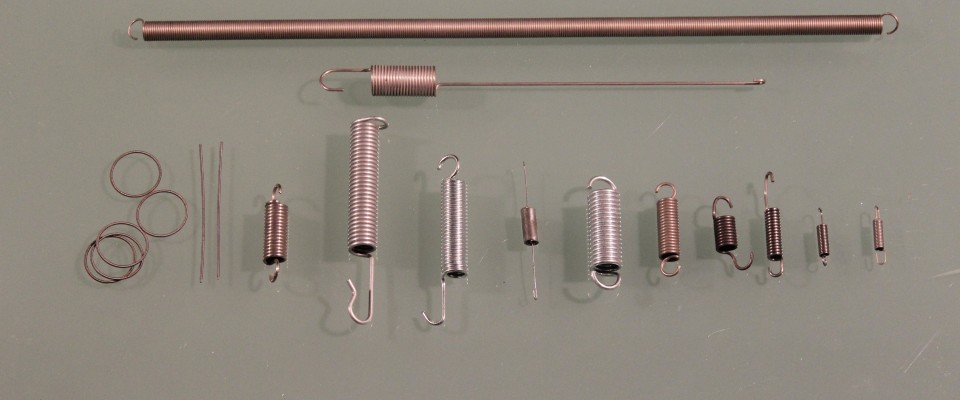
Extension Springs
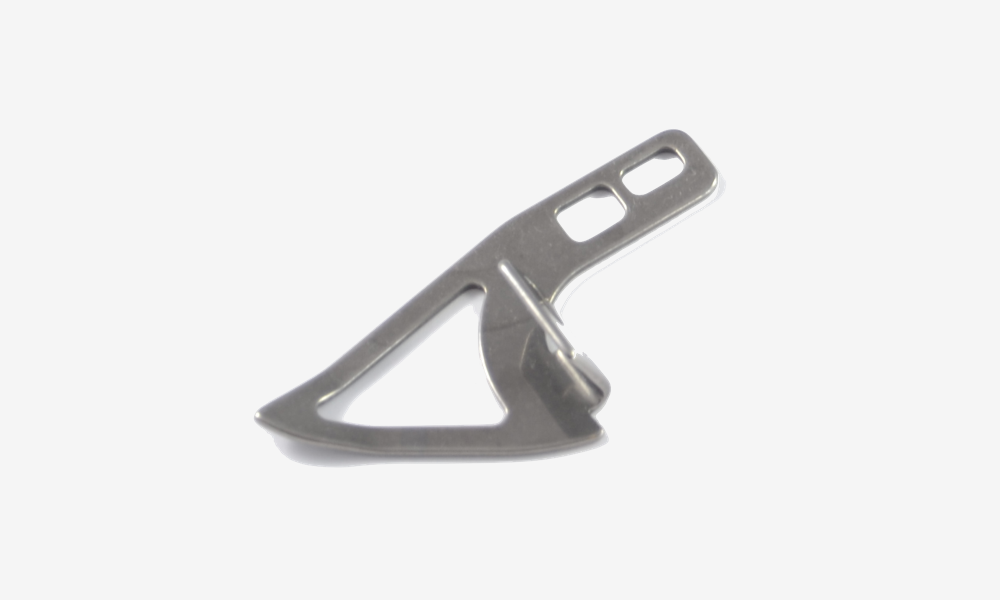
Flat Springs
Hydraulic Presses
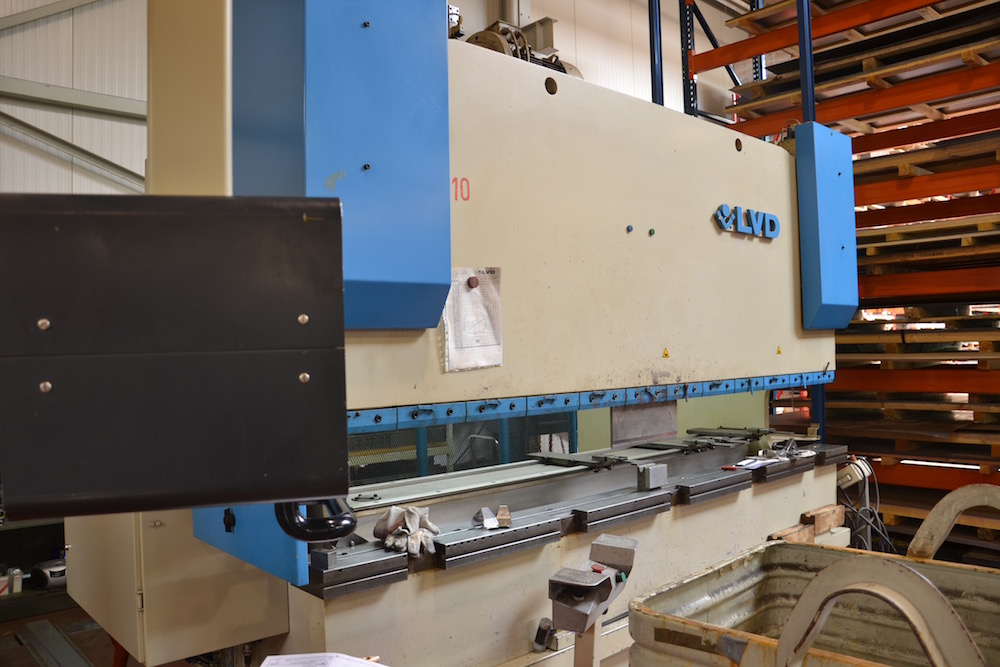
Industrial CNC Bending
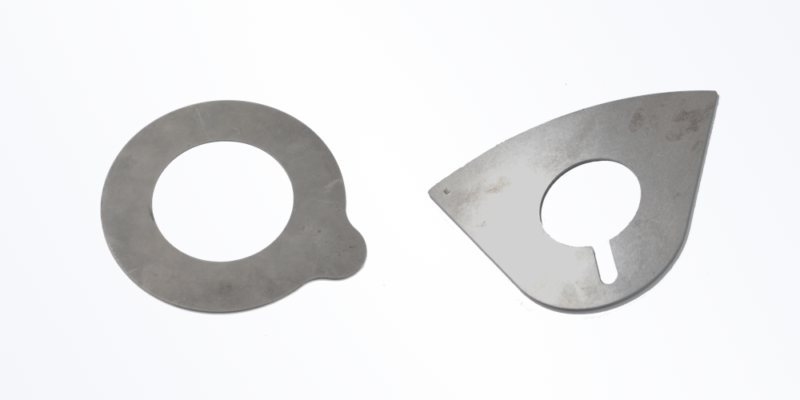
Laser Cutting
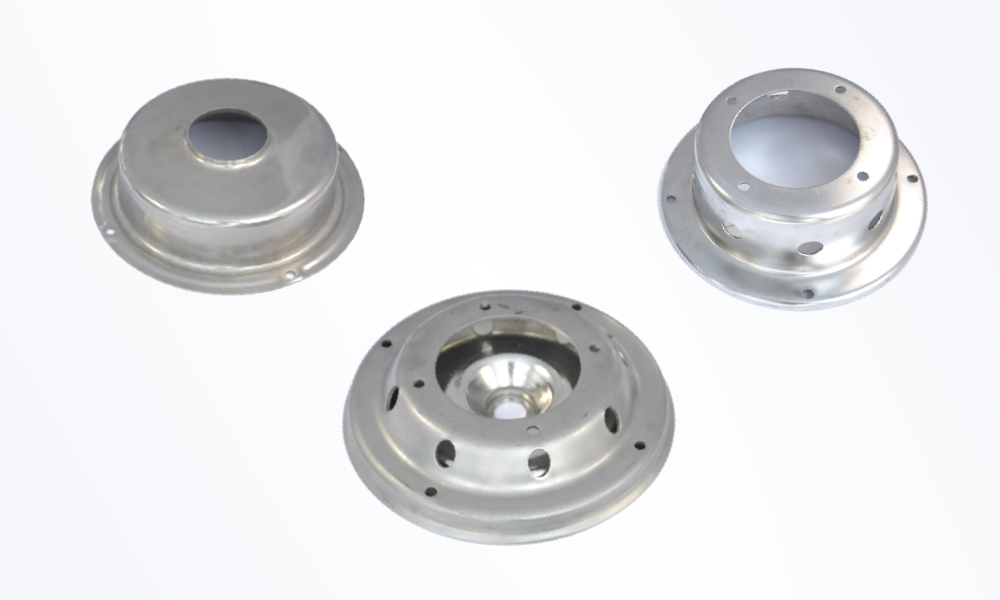
Mechanical Presses
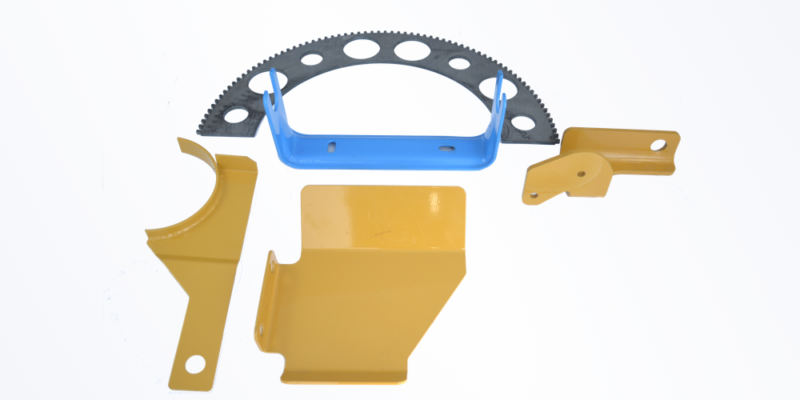
Sheet Metal Work
Slide Machines
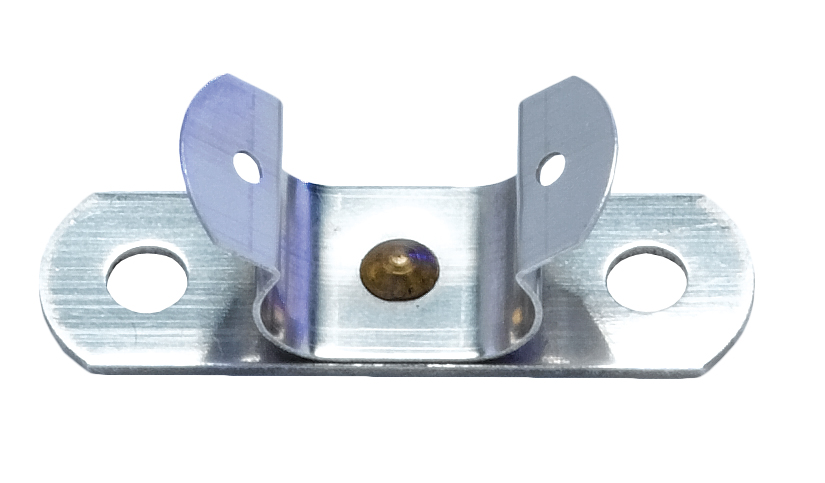
Technical Fasteners
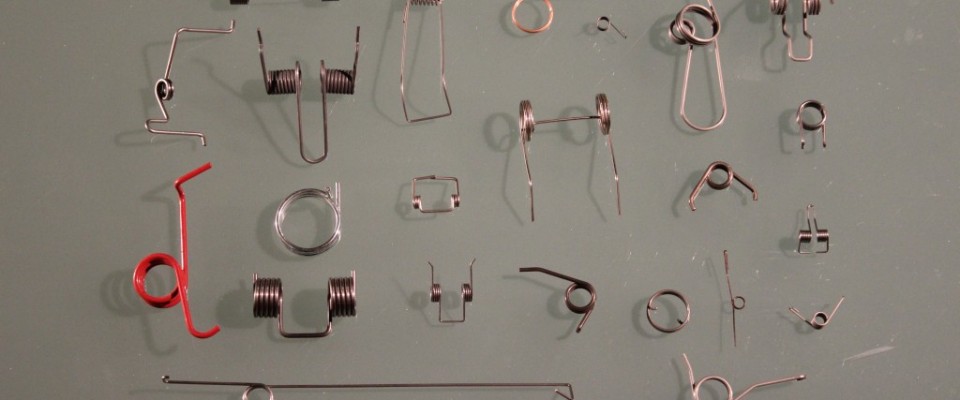
Torsion Springs
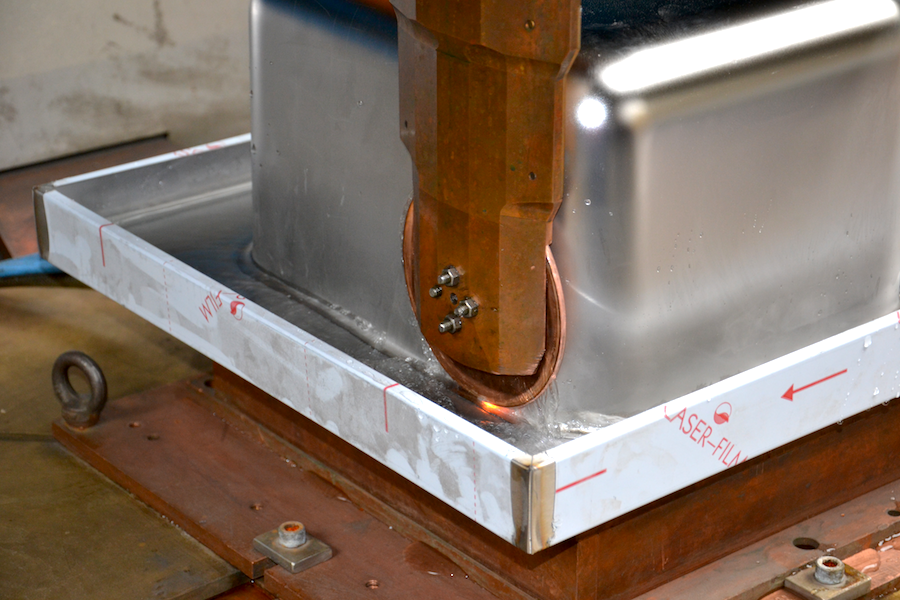
Welding