Electropolishing, Chemical Passivation & Vibratory Finishing
Achieve medical-grade asepsis, burr-free edge geometry, and ultimate stainless steel corrosion resistance with Filame's precision finishing techniques.
In high-purity and corrosive environments—including pharmaceutical manufacturing, biotechnology, food processing, nuclear valves, and semiconductor equipment—stainless steel components must possess flawless surface integrity. Even austenitic grades like AISI 301 (1.4310), 304 (1.4301), and 316L (1.4404) can suffer catastrophic pitting, crevice corrosion, or particulate shedding if their passive layer is depleted or cut edges retain mechanical burrs.
Filame integrates vibratory deburring (tumbling), chemical passivation, and electropolishing to provide certified surface refinement for technical springs, stampings, and precision sheet metal parts.
1. Vibratory Finishing & Deburring (Tumbling)
During blanking, piercing, or laser cutting, components inevitably develop sharp edges, microscopic rollover burrs, and high-stress notch zones along shear planes.
High-Energy Vibratory Tumbling
Bulk components are loaded into high-frequency vibratory bowls or rotating barrels filled with precision abrasive media (ceramic pyramids, porcelain cylinders, or resin-bonded plastic chips) and water-soluble rust inhibitors.
The continuous rolling motion generates controlled abrasion across part perimeters, gently radiusing sharp edges (R = 0.05 to 0.25 mm) and breaking razor-sharp blanking burrs without altering critical part dimensions.
Critical Engineering Benefits
- Fatigue Stress Relief: Eliminates micro-notch stress concentrations that act as fatigue crack initiation sites on stamped clips and brackets.
- Automated Feeding Reliability: Ensures smooth, jam-free feeding through customer bowl feeders and robotic pick-and-place grippers.
- Operator Safety: Completely removes cutting hazards during handling and manual assembly operations.
2. Chemical Passivation (ASTM A967 & ISO 16048)
The corrosion resistance of stainless steel relies on a continuous, microscopic passive layer of chromium oxide (Cr₂O₃, 1 to 3 nm thick). During mechanical tooling and coiling on CNC spring machines or stamping presses, microscopic particles of exogenous free iron from tooling dies become embedded into the component surface, creating localized galvanic micro-cells that trigger pitting corrosion.
Chemical Decontamination Process
Following thorough alkaline degreasing, components undergo immersion in activated nitric acid or environmentally friendly citric acid passivation baths compliant with ASTM A967 and AMS 2700.
The acid solution selectively dissolves embedded tramp iron, tool abrasives, and sulfide inclusions without etching the stainless steel matrix. This leaves a chemically pristine surface with an enriched chromium-to-iron (Cr/Fe) ratio.
Every production batch is validated via copper sulfate testing, water immersion testing, or high-humidity exposure to certify the passive layer is fully restored and 100% free of iron contamination.
3. High-Purity Electropolishing
For applications requiring the highest level of cleanliness, asepsis, and localized pitting resistance, electropolishing is the gold-standard electrochemical technology.
Electrochemical Planarization
Stainless steel components are suspended on conductive titanium racks and immersed in an electrolyte bath containing concentrated phosphoric and sulfuric acids under controlled DC current, making the workpiece the anode.
Current density naturally concentrates at microscopic peaks, burrs, and grain boundaries, selectively dissolving metal ions from the high points of the micro-profile while sparing the valleys.
Performance Advantages
- Ultra-Low Roughness: Reduces surface roughness from Ra ≈ 0.8–1.2 µm down to Ra < 0.2 µm, delivering a flawless mirror specular finish.
- Reinforced Passive Barrier: The electrochemical dissolution yields a chromium-enriched passive layer up to 50% thicker and denser than chemical passivation alone.
- Medical & Cleanroom Compliance: Eliminates sub-microscopic crevices where bacteria or biofilms can colonize, fulfilling the strict demands of medical and pharmaceutical devices.
- Zero Residual Tensile Stress: Unlike mechanical buffing, electropolishing induces zero cold working, distortion, or mechanical stress into the surface layer.
Applications Across Filame Product Lines
- High-precision compression springs and check-valve springs for fluid control systems.
- Stainless steel stamped contacts and clips manufactured on Bihler multi-slide machines.
- Fine-tolerance laser-cut sheet metal components for cleanroom instrumentation.
Production capacities
Discover Filame's production capabilities in Electropolishing, Chemical Passivation & Vibratory Finishing:
Automatic Presses
Clips & Spring Clips
Compression Springs
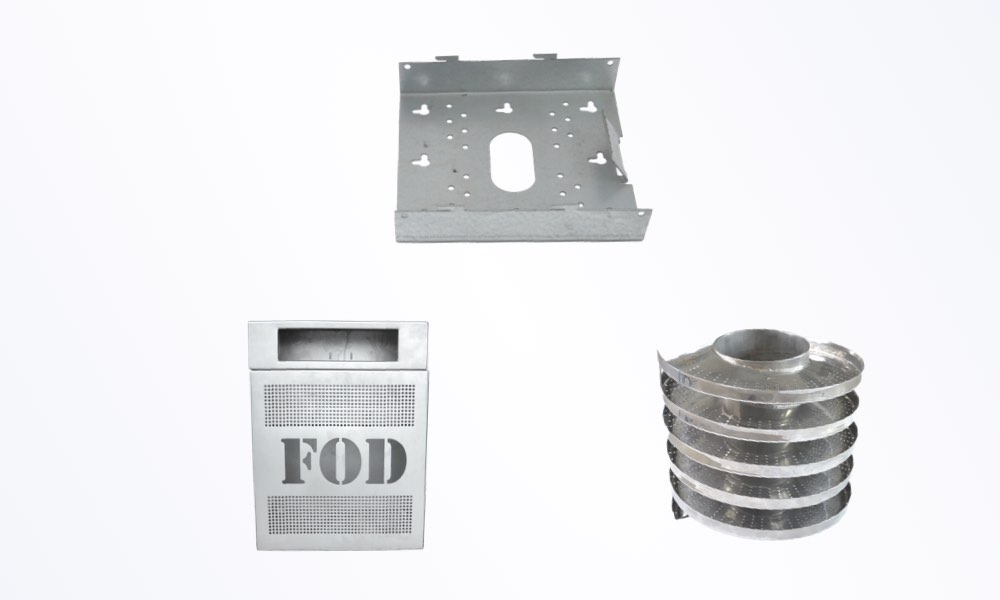
Custom Industrial Sheet Metal, Laser Cutting & Robotic Welding
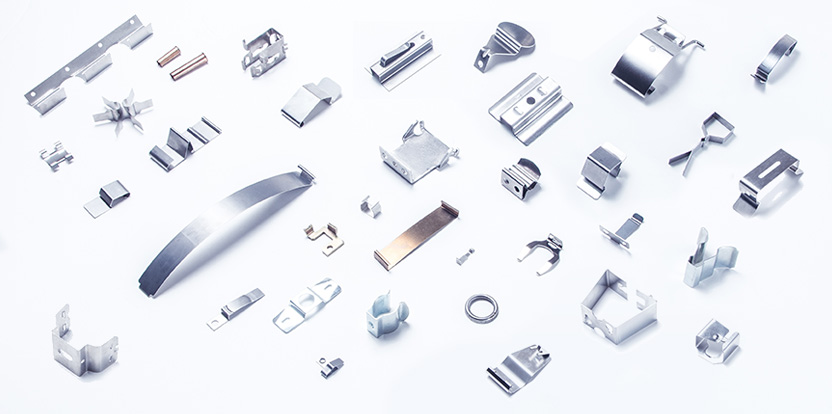
Custom Metal Clips, Flat Springs & Fasteners
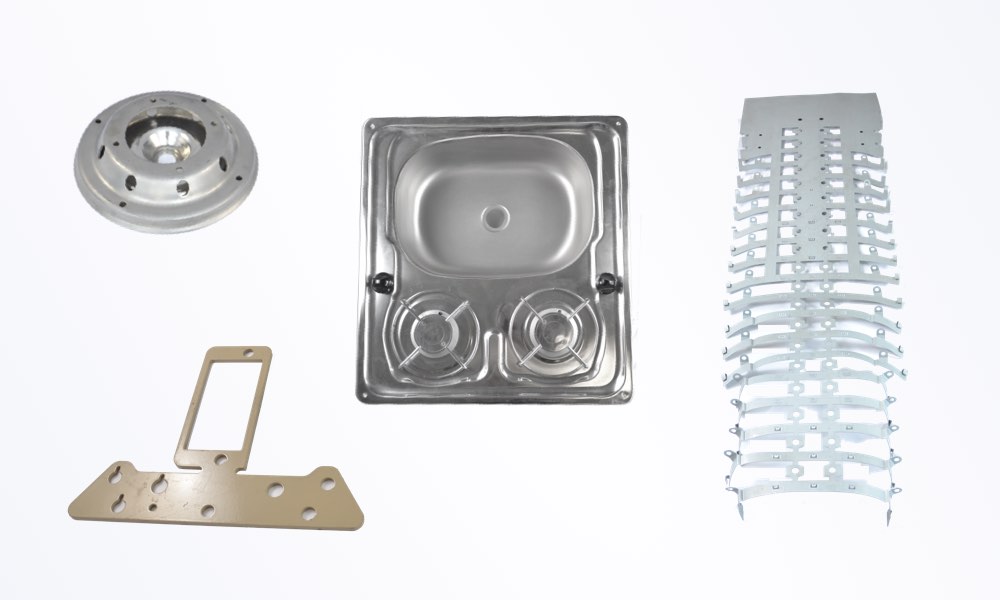
Custom Metal Stamping, Pressing & Formed Parts
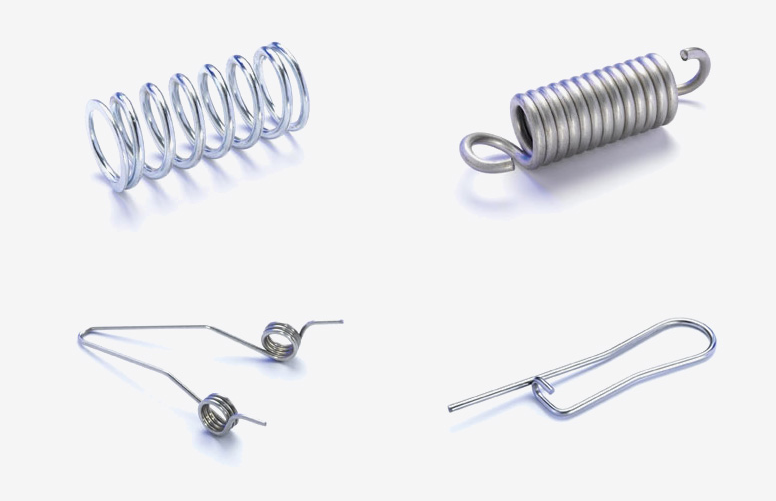
Custom Precision Springs & Wire Forms Manufacturer
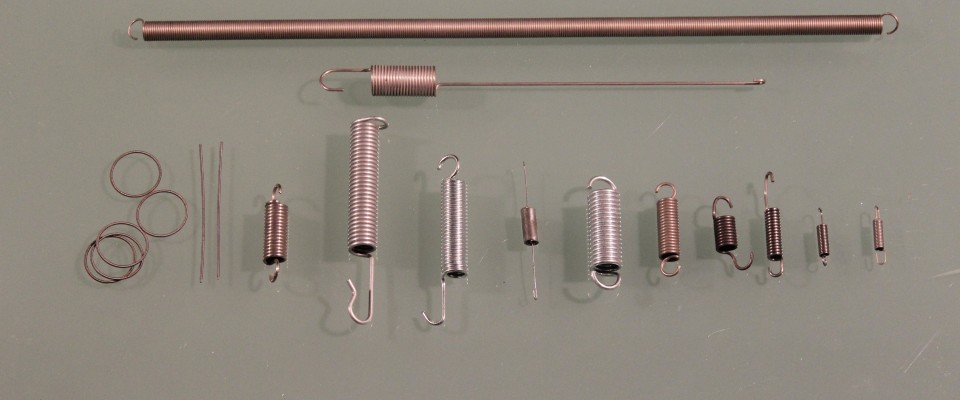
Extension Springs
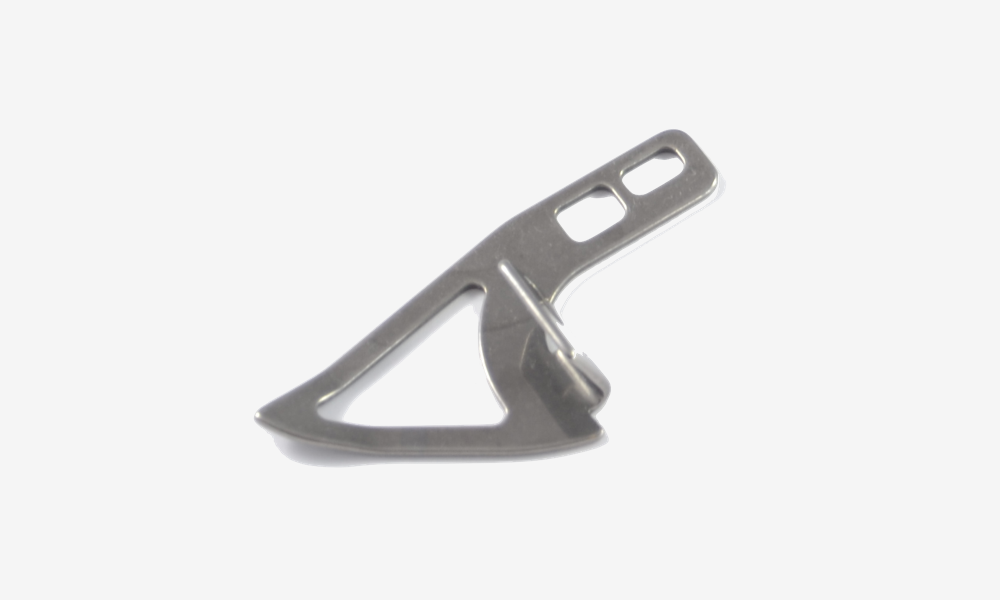
Flat Springs
Hydraulic Presses
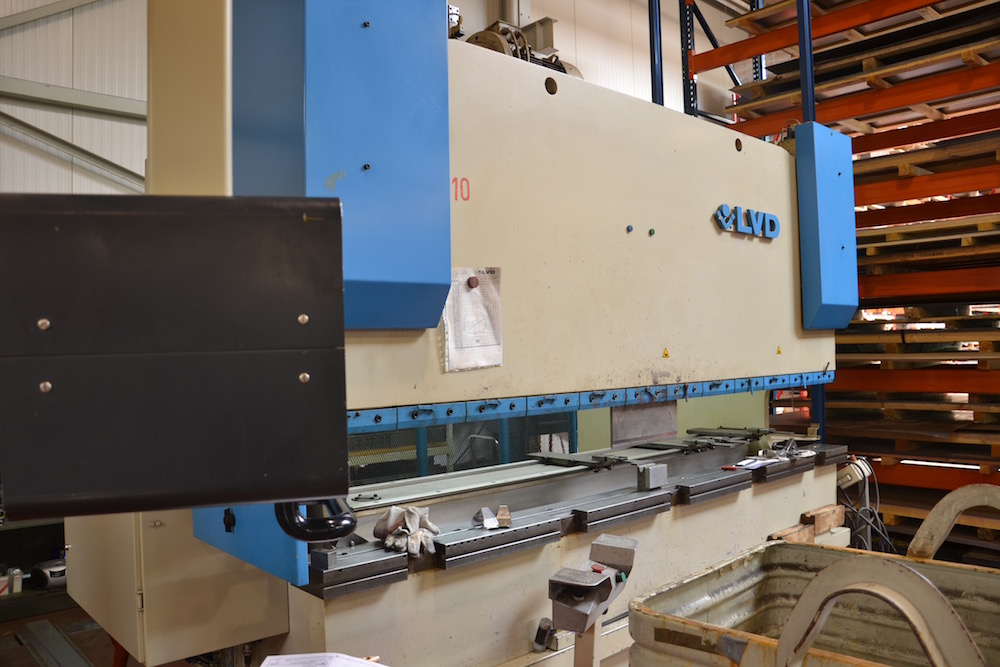
Industrial CNC Bending
Laser Cutting
Mechanical Presses
Sheet Metal Work
Slide Machines
Technical Fasteners
Torsion Springs
Welding